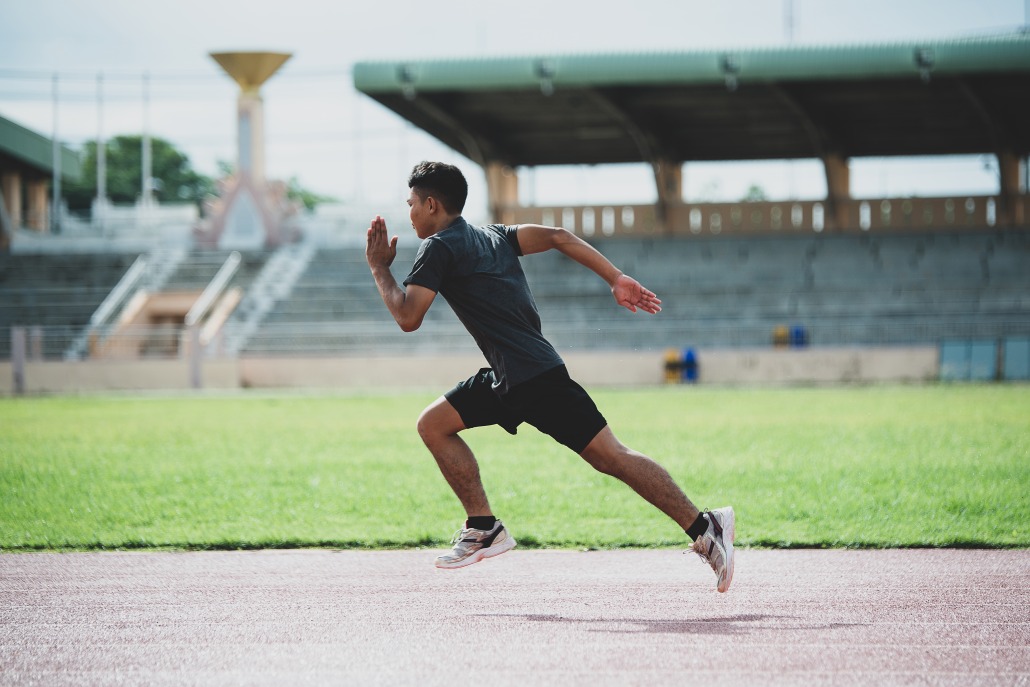
How Athletes Can Protect Their Bodies Over Time
For athletes, the human body is both an instrument and an investment. Whether competing professionally or staying active for personal health, maintaining long-term physical wellness requires more than training and talent. Protecting the body over time involves a combination of smart exercise practices, recovery strategies, nutrition, and cutting-edge medical interventions.
Prioritize Recovery and Rest
One of the most overlooked aspects of athletic longevity is proper recovery. Muscles and joints need time to repair and strengthen after rigorous activity. Ignoring rest can lead to overuse injuries, chronic pain, and decreased performance. Incorporating rest days, using techniques such as foam rolling, massage, or hydrotherapy, and ensuring adequate sleep each night are essential steps. Sleep in particular plays a critical role in hormonal balance, cognitive function, and tissue repair, all of which are vital for long-term athletic health.
Focus on Functional Strength and Mobility
Strength training is a cornerstone of injury prevention, but it should be balanced with exercises that enhance mobility and flexibility. Functional strength training, movements that mimic real-life or sport-specific activities, helps stabilize joints, improve balance, and reduce the risk of injuries. Incorporating dynamic stretching and mobility drills into daily routines ensures that muscles and connective tissues remain supple, maintaining performance while lowering the risk of strains and sprains.
Fuel Your Body Wisely
Nutrition is equally important in protecting an athlete’s body. A diet rich in lean proteins, healthy fats, complex carbohydrates, and antioxidants supports energy levels, tissue repair, and immune function. Hydration also plays a crucial role in joint lubrication and temperature regulation. Athletes should consider working with a nutritionist to develop a plan that meets their unique needs, particularly during periods of high training intensity or competition.
Monitor and Treat Injuries Early
Preventing small issues from becoming major problems is essential for longevity. Regular medical check-ups, physical therapy sessions, and attentive monitoring of aches and pains allow athletes to address injuries early. Treatments like regenerative therapies have been gaining attention for their ability to enhance recovery. For instance, options such as stem cells in Panama provide promising solutions for repairing damaged tissues and supporting long-term joint and muscle health. Exploring these advanced therapies under professional guidance can help athletes recover faster and reduce the risk of chronic damage.
Incorporate Mental Wellness
Physical protection is only part of the equation. Mental well-being directly influences performance and long-term health. Stress management techniques, mindfulness, and mental conditioning help athletes maintain focus, motivation, and resilience. A strong mind-body connection can prevent burnout and keep athletes engaged in their sport for years.
Adapt and Evolve Training Over Time
Finally, as the body ages, training methods should evolve. High-intensity workouts may need to be balanced with lower-impact activities such as swimming, cycling, or yoga to maintain fitness while reducing stress on joints. Listening to the body’s signals and adjusting routines ensures that athletes continue performing at their best without compromising long-term health.
Protecting an athlete’s body over time requires a holistic approach that combines rest, smart training, nutrition, medical support, and mental wellness. By implementing these strategies, athletes can extend their careers, maintain peak performance, and enjoy a lifetime of physical health.



Taking care of the body over time is something many athletes only start thinking about after the first serious injury. I used to train basketball several times a week and learned the hard way how important recovery, mobility work, and proper equipment can be for joint health. When someone in my family needed mobility support after surgery we also spent time researching different medical suppliers. I remember reading customer experiences at https://1800wheelchair.pissedconsumer.com/review.html to better understand product quality and service.