5 Tips to Improve Your Tailgating Safety at Miami Dolphins Games in 2026
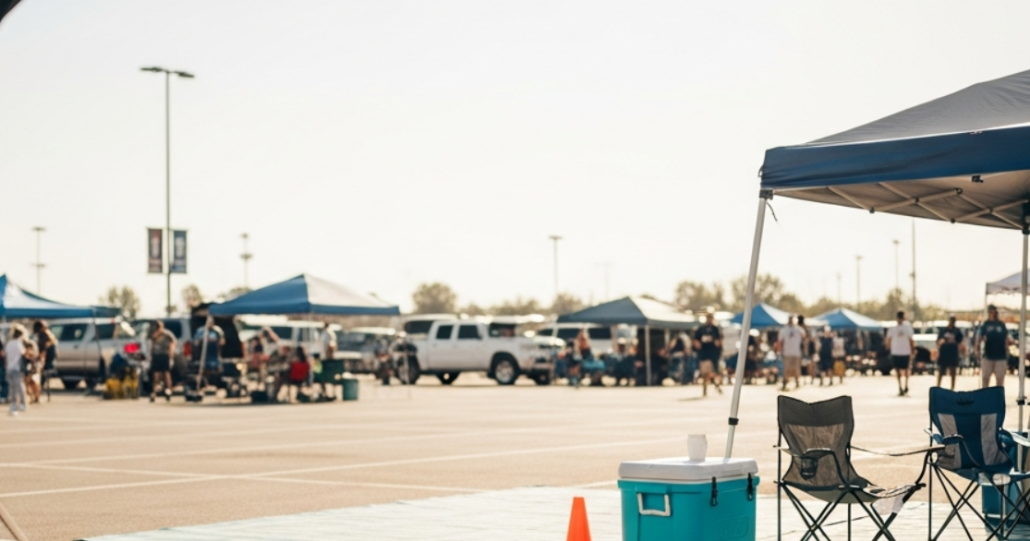
The 2026 NFL season is already building hype across Miami, and tailgating will be front and center. But massive crowds and sprawling private lots come with real physical and legal risks that most fans don’t think about until it’s too late.
Proactive prep can keep you out of the first aid tent and out of complicated legal situations. This guide covers how to navigate parking safely, set up your grill, avoid hazards, and know your options if something goes wrong on stadium grounds.
- Navigate Crowded Parking Lots Safely
Miami parking lots turn into organized chaos on game day. Heavy pedestrian traffic, uneven pavement, and constantly shifting local regulations all create problems you won’t see coming if you aren’t paying attention.
Parking and tailgating rules are under serious scrutiny across South Florida in 2026. Miami Beach commissioners, for instance, are actively pushing to change towing rules to protect drivers from predatory practices. Data showed that 63.8% of vehicles towed were flagged for minor compliance issues, not actual safety violations.
The landscape of the stadium lot is also shifting on a larger scale. FIFA initially banned tailgating at the 2026 World Cup US venues but recently reversed course, allowing tailgating, though parking capacity will see a massive 75% reduction. What does that mean for you? Tighter quarters, fewer spots, and more potential for spatial accidents. Review specific private lot rules before you go so you’re not caught off guard by unexpected towing or cramped setups.
- Safely Manage Grills and Cooking Stations
Tightly packed vehicles combined with live coals and propane tanks? That’s an immediate fire and burn hazard. Keep a clear radius around your cooking station at all times, and always dispose of ashes in designated stadium receptacles rather than dumping them on the asphalt.
Having the right gear makes a big difference. Here’s a quick list of some essential items to keep your setup secure:
| Name | Photo | Pros | Cons | Pricing |
|---|---|---|---|---|
| First Alert Portable Fire Extinguisher | Compact, rated for grease/electrical fires | Single-use only | $24.99 | |
| Fasmov High-Visibility Safety Cones | Clearly marks hot grill zones to prevent trips | Takes up trunk space | $18.50 | |
| Armor All Heavy-Duty Grill Mat | Prevents grease slips on concrete; easy to wash | Can curl at edges in high heat | $35.00 |
- Avoid Slip-and-Fall Hazards in Private Lots
Spilled drinks, dropped food, and uneven gravel in unofficial lots. These are the prime culprits behind sprained ankles and broken bones on game day. Sound familiar? Florida law makes this especially tricky because the state severely limits personal injury claims if you’re found partially responsible.
Since 2023, Florida has used a modified comparative fault system. If a court determines you were more than 50% at fault for your own injury (say, you were heavily intoxicated and ignored warning signs), you’re barred from any financial recovery. So keep your immediate area clean, and watch your step when wandering over to neighboring setups.
- Document the Scene Right After an Accident
If someone gets hurt, don’t wait. Game day evidence, like a spilled cooler or broken glass, gets cleaned up or trampled within minutes. Quick documentation protects your well-being and preserves the facts you’ll need later.
Here’s what to do immediately:
- Photograph the hazard: Take wide and close-up shots of the exact cause of the injury before anything gets moved.
- Identify witnesses: Grab names and phone numbers from nearby fans who saw what happened.
- Notify lot management: File a formal incident report with stadium staff or the private lot attendant on site.
- Seek medical attention: Visit the on-site first aid tent or a local urgent care to establish an official medical record, even if the injury seems minor.
- Know Your Legal Deadlines
Even with solid preparation, accidents caused by property owner negligence still happen. And Florida sees a lot of them. The state’s courts process 127.41 personal injury cases per 100,000 people, a rate that sits 1,237% above the national average.
The legal clock also moves fast. For incidents occurring after March 2023, Florida law limits the premises liability filing window to just two years from the date of injury. Because evidence degrades quickly in chaotic environments like stadium parking lots, it’s worth understanding the statutes for getting hurt on someone’s property, so your medical bills don’t fall solely on your shoulders.
Make Your 2026 Game Day Count
Balancing the fun of a Miami Dolphins tailgate with smart safety habits isn’t complicated; it just takes a little planning. Spatial awareness, the right gear, and a basic grasp of your legal options are your best play calls for a worry-free Sunday.
Stay alert, lock down your cooking zones, and document any hazards you spot immediately. That way, the only thing you’ll need to recover from is the final score.



Great tips for staying safe while tailgating! Preparing for game day is always exciting, but keeping safety as a top priority ensures everyone has a better time at the stadium. It’s all about being responsible while enjoying the pre-game energy with other fans. Whenever I’m not gearing up for a Dolphins game or following sports news, I like to keep my brain sharp and reflexes quick by playing a few casual games on classroom6x. Thanks for sharing these important reminders for the 2026 season go Dolphins!
If you want a platform that actually supports responsible play with easy-to-use limits, fast payouts, and a huge selection of games, check out Melbet Zambia. I’ve been using them for months and it’s been rock-solid. Take a look at https://melbetzm.com/ — just remember to play smart and have fun.