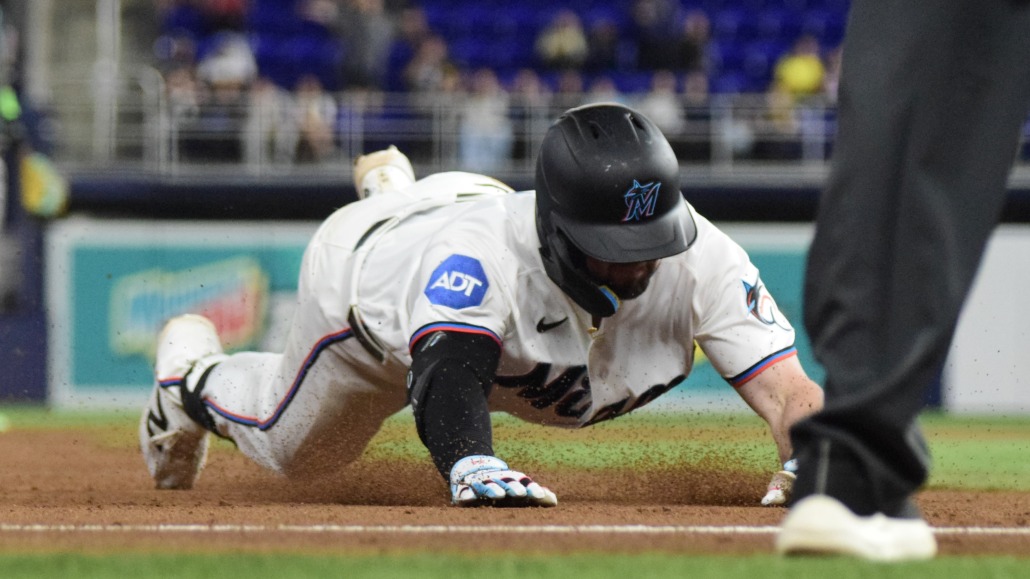
Catch, Release, Repeat: The Endless Cycle of Disruption in Marlins Baseball
The Marlins have spent years finding young talent, developing it, and then starting over. Players arrive with promise. A few become stars. Just when the team appears ready to build something stable, the roster changes again. For Miami fans, the cycle has become painfully familiar.
This history also affects how people judge the team. Anyone learning How to bet on Betway may study recent results, injuries, and player form. But with the Marlins, sports betting decisions can also depend on roster stability. A team can look one way in May and very different by the trade deadline.
Success Has Often Been Followed by Change
Two titles did not create stability
Miami’s two World Series wins remain the greatest moments in franchise history. But the club could not make either one last. The 1997 and 2003 championships produced memories, not a stable run of postseason baseball.
The fall after 1997 was sharp. Key players were moved, and the club went from World Series champion to a 108-loss team in one year. The 2003 team stayed together longer, but it never returned to the playoffs.
Then came the 2017 offseason. Stanton, Ozuna, Yelich, and Strange-Gordon were sent elsewhere. In return, Miami received prospects and reduced future costs. But for supporters, it meant sitting through another reset with no clear finish date.
The 2023 Playoff Run Did Not Last
A winning season quickly turned into a sell-off
Miami reached the postseason in 2023 with an 84–78 record. The club had strong pitching, close-game success, and enough offense to earn a Wild Card place. It looked like a base that could be improved.
But the 2024 season started badly. The Marlins opened 0–9, and the front office moved quickly. Luis Arraez, the reigning National League batting champion, was traded in early May for four prospects. Jazz Chisholm Jr. was later sent away, while Trevor Rogers, Tanner Scott, Josh Bell, and Bryan De La Cruz also left.
For anyone following the betting market, those moves changed the value of Miami from week to week. Past records mattered less once important parts of the roster were gone.
The Returns Need Time
Prospects are not immediate answers
Trading known players can bring useful young talent. The Rogers deal, for example, brought Kyle Stowers and Norby to Miami. Stowers joined the lineup immediately, while Norby also became part of the club’s plans.
But prospects come with risk. Some need years in the minor leagues. Others never become regular major league players. Even successful trades can create a gap between the player who leaves and the value that comes back.
That gap affects the clubhouse too. Players are asked to compete through a long season while knowing more trades may come. Fans face the same problem. It is hard to connect with a group that may be broken apart before it reaches its full level.
Signs of Progress Bring the Same Questions
Keeping players can matter as much as adding them
The real improvement was shown in 2025. At the deadline, they kept Alcantara, Cabrera, and Bender. That choice gave the team a sign that its progress mattered. Miami finished 79–83, a 17 win improvement from 2024.
Then Cabrera was traded to Chicago in January 2026 for a package led by Owen Caissie. The deal may work well for Miami, but it also showed why fans remain cautious. A strong, controllable starter had developed value, and the club chose to turn that value into younger pieces.
This is where baseball planning and betting can view the same move differently. A trade may make sense over three years, yet reduce certainty for the next series. Anyone placing bets must judge the team that exists now, not the possible roster of 2028.
Miami Must Finally End the Cycle
A core needs time to grow together
The Marlins do not need to keep every player. No team does. Smart trades are part of baseball, especially when contracts are close to ending. But constant turnover cannot be the main plan forever.
There are reasons for hope. Kyle Stowers has become a player the organization can build around, while young pitchers such as Eury Pérez and Max Meyer offer real ability. Miami was also involved in the National League playoff race in July 2026, even after a difficult run of losses.
The next step is simple to explain and harder to carry out: give fans a reason to believe that good players will still be in Miami when the team is ready to win.
Until that happens, every promising Marlins season will carry the same fear. Catch the talent. Watch it grow. Release it. Then repeat.
- Photo by Tony Capobianco



Leave a Reply
Want to join the discussion?Feel free to contribute!