Game On: What Table Games and Sports Have in Common — And Why Fans Should Care
Sports Fans Know Strategy — Now Take It to the Felt
If you’re someone who screams at the TV during a Dolphins fourth-and-one or critiques Erik Spoelstra’s rotations like you’re on the Heat’s payroll, let’s be honest — you already have the brain for table games.
Poker, blackjack, and other classics aren’t just for Vegas high-rollers or smoky back rooms. These games, much like sports, are built on discipline, momentum shifts, and knowing when to push or fold. So if you’ve mastered the art of spotting defensive mismatches or reading a fast break before it happens, it might be time to test your skills in a different kind of arena — one with cards, chips, and a whole lot of edge.
The Playbook: Classic Table Games Explained
Just like football has its playbook or basketball has its offensive sets, each table game has its own framework — and the more you understand it, the better your shot at walking away with a win.
Let’s break down some of the most popular table games fans should have on their radar:
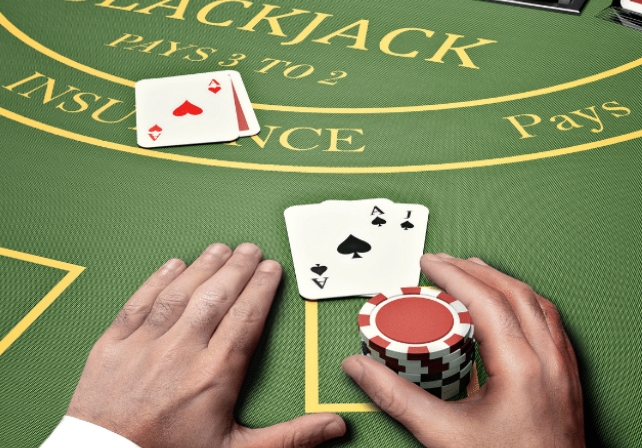
- Blackjack: A quick-thinking numbers game. The goal? Beat the dealer without busting (going over 21).
- Poker (Texas Hold’em): A game of patience and calculated aggression, where reading people is just as crucial as the cards you’re dealt.
- Roulette: Spin the wheel, place your bets. It’s a game of odds and streaks — sound familiar?
- Baccarat: Surprisingly simple. Bet on the player, banker, or a tie. Clean, quick, and way more strategic than it looks.
You don’t need to be a pro to enjoy these games. Just like sports, it’s about starting small, learning the fundamentals, and building your game IQ one play at a time.
And if you’re looking for a platform that offers a solid selection of these classics with a smooth user interface, WinMaker has become a go-to for casual players looking to sharpen their edge. Their offerings don’t feel like gimmicks — it’s clean, strategic fun for fans who appreciate competition, whether it’s on the court or on the cards.
From Sideline Reads to Poker Tells
Sports fans are better equipped for poker than they think. You’ve been reading body language your whole life. When a quarterback checks down too quickly, or a striker hesitates before taking a penalty, you notice. In poker, this instinct becomes your greatest weapon.
But unlike in football, where the play clock is ticking, poker gives you the time to study your opponent, make your move, and adjust — not unlike how coaches draw up last-second plays in the huddle.
Here are a few crossover concepts:
| Sports Skill | Table Game Equivalent |
| Reading the defense | Reading your opponent’s tells |
| Managing the clock | Managing your chip stack |
| Game-planning | Strategic betting and folding |
| Team communication | Observing table dynamics |
If you live for strategy breakdowns after Heat games or spend Sunday mornings setting your fantasy football roster, you’re more than capable of grasping concepts like pot odds, house edge, and bluffing range.
What’s the House Edge, Really?
No sports fan likes a bad call — and no table game player likes a rigged system. Thankfully, most classic table games are built on odds that, when understood properly, can be navigated intelligently. The “house edge” is the casino’s average advantage in a game — and just like a home-field advantage in sports, it’s real but not unbeatable.
Here’s a look at some of the numbers that matter:
| Game | Average House Edge | Strategy Tips |
| Blackjack | 0.5% (with basic strategy) | Learn and follow basic strategy charts |
| Baccarat | 1.06% (Banker bet) | Avoid tie bets; stick to Banker or Player |
| Roulette | 2.70% (European) | Know the difference between wheel types |
| Poker | Varies (player vs. player) | Focus on position and reading opponents |
These numbers matter. Just like knowing the Dolphins’ red zone efficiency helps you predict their next move, understanding house edge gives you power over your bets.
Bet Small, Think Big — And Know the Momentum
Great coaches don’t just call plays — they feel the game. Momentum in poker or blackjack works the same way. You have to recognize when the table is turning in your favor and when it’s time to tighten up. It’s not luck. It’s instinct, developed through reps, experience, and yes — a little trial and error.
Want to test your decision-making under pressure? Sit down at a blackjack table for 30 minutes and see how your thinking evolves. Do you stay disciplined, or do you chase losses like a team down 20 at halftime taking wild shots?
Just like sports betting, table games reward those who prepare, observe, and adjust.
More Than Just Gambling — It’s Competitive Strategy
What makes table games appealing to sports fans isn’t just the chance to win — it’s the format. There are rules, roles, strategies, rivalries, and pacing. It’s the ultimate mental sport, played in real time, with your money and mindset on the line.
So next time you’re debating whether the Marlins’ bullpen can hold a one-run lead or dissecting Inter Miami’s midfield rotation, ask yourself — are you ready to apply that competitive fire to the table?
Because in the world of cards, as in sports, it’s not just about what you’re dealt. It’s about how you play the game.



Leave a Reply
Want to join the discussion?Feel free to contribute!