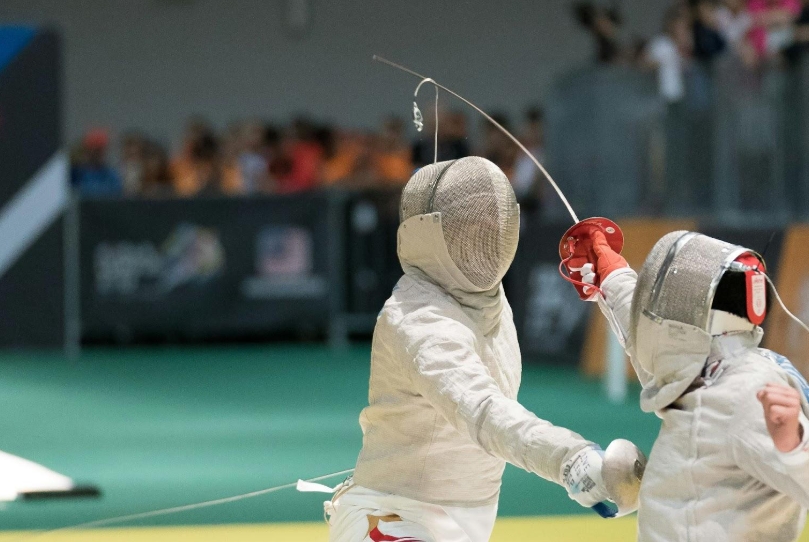
The Benefits of Fencing Lessons
Benefits of Fencing Lessons
With its quick clash of blades and swift movements, fencing provides a blend of physical, mental, and social benefits, enriching the lives of participants of all ages. A fencing school in Singapore is the best way to reap the sport’s benefits and step into the exciting world of fencing.
Benefit #1: Physical Development
One of the most immediate advantages is improved cardiovascular health. Fencing is an exceptional physical discipline that engages the entire body, cultivating a wide range of athletic abilities. It prioritizes agility, speed, and precision over brute force, making it a distinctive form of exercise.
A fencing bout involves intense, short bursts of activity, where participants move quickly, pause, and then move rapidly again. This pattern, similar to interval training, significantly strengthens the heart and enhances lung capacity, leading to increased stamina and overall vitality.
Crucial to fencing is the development of agility and precise footwork. The sport demands quick and accurate movements of the feet—advances, retreats, and explosive lunges. This constant motion refines balance, coordination, and rapid reflexes. These highly developed skills are not confined to the fencing strip. Improved balance and coordination can reduce the risk of falls in daily life and enhance performance in other physical activities.
While grace is key, fencing also builds impressive strength and endurance. The legs are continuously engaged, providing explosive power for lunges and stability for defensive stances, which significantly strengthen the quadriceps, hamstrings, and glutes. Core strength is essential for maintaining balance and executing stable, effective attacks. Furthermore, the constant holding of the weapon and repetitive parrying actions build endurance in the arms and shoulders.
Lastly, the dynamic nature of fencing promotes flexibility and range of motion. The deep lunges and broad parries naturally stretch muscles and improve joint mobility. Fencing instructors often incorporate specific stretching routines to prevent injuries and enhance performance, making fencing a well-rounded physical activity that fosters both power and suppleness.
Benefit #2: Sharpening Cognitive Skills
Beyond its physical demands, fencing is often described as “physical chess”, highlighting its significant mental engagement. It is a contest of wits as much as a test of athleticism, offering remarkable benefits for cognitive development.
A core benefit of fencing is the cultivation of strategic thinking and problem-solving abilities. Each bout presents a dynamic challenge. Fencers must continuously anticipate their opponent’s actions, analyze their style, and formulate attacks and defenses spontaneously. This requires rapid decision-making under pressure, fostering critical thinking, analytical reasoning, and the ability to adapt plans instantly as the situation changes. These skills are highly transferable and valuable in academic, professional, and everyday contexts.
Fencing also demands unwavering focus and concentration. During a bout, a fencer must filter out all distractions, maintaining complete attention on their opponent, the distance between them, and the precise timing required for success. This trains the mind to remain present and attentive, significantly improving attention span and the ability to stay engaged, a valuable skill in today’s demanding environment.
The sport is an excellent teacher of discipline and self-control. Adherence to rules, respect for officials, and maintaining composure under pressure are paramount. Fencers learn to manage emotions, whether frustration from a lost point or excitement from a successful action. The process of mastering complex techniques, such as specific parries or counter-attacks, requires patience and perseverance, reinforcing the value of consistent practice and commitment.
Furthermore, fencing enhances memory and pattern recognition. Participants must recall a repertoire of attacks and defenses and, crucially, recognize recurring patterns in an opponent’s behavior. This continuous mental exercise strengthens memory recall and the ability to identify and respond to complex sequences.
Finally, the intense physical and mental engagement of fencing provides effective stress relief. The physical exertion naturally releases tension, while the complete mental immersion in the bout offers a healthy and engaging diversion from daily worries, leaving participants feeling both invigorated and mentally refreshed.
Benefit #3: Character Development
The lessons learned on the fencing strip extend beyond technical skills, shaping character and instilling valuable life skills that are applicable in all aspects of a fencer’s life.
Sportsmanship and proper etiquette are fundamental traditions in fencing. The ritual of saluting the opponent and referee before and after each bout, shaking hands, and acknowledging a fair hit, regardless of the outcome, teaches deep respect. Fencers learn to win gracefully and to lose with dignity, demonstrating resilience and a commitment to fair play.
The journey of improvement and challenge inherently builds confidence and self-esteem. As fencers overcome technical difficulties, master new skills, and experience success, their self-belief grows. The act of performing, even within the club setting, cultivates poise and a sense of accomplishment that strengthens self-worth.
Fencing is also a powerful teacher of resilience and adaptability. No fencer wins every point, and every fencer faces setbacks. Learning from mistakes, analyzing what went wrong, and adjusting strategies when initial plans are ineffective are crucial. This continuous process of self-correction and recovering from lost points or bouts fosters a strong sense of perseverance and the capacity to adapt to changing circumstances.
Moreover, fencing instills a strong sense of goal-setting and sustained effort. Whether aiming to perfect a particular lunge, win a club competition, or simply improve footwork, fencers learn to establish clear objectives and understand that consistent, dedicated effort is the only path to achieving them. Joining a fencing club also fosters social interaction and a sense of community, creating a supportive environment where individuals with shared interests can connect, learn together, and often form lasting friendships.
Benefit #4: Low Barriers to Entry
Last but not least, another notable advantage of fencing is its suitability for all ages. Children can begin at a young age, and adults can continue fencing well into their later years. Because it is relatively low-impact compared to some other sports, many individuals find they can enjoy fencing for decades. It is truly a sport that can be pursued throughout life, with its benefits evolving alongside the participant.
The Bottom Line
If you are seeking an activity that is engaging, challenges both your body and mind and imparts valuable life skills, considering fencing lessons could be a highly rewarding decision. It is an opportunity to discover a unique passion and unlock new personal potential.



Choosing proper mlops development services https://apprecode.com/services/mlops-services helped us move from experiments to real products. Before that, everything was manual. Now training, validation, and deployment are connected in one flow. It finally feels like engineering, not guesswork.
I was bummed when I initially missed the planet clickerevent,
When you get tired of mining you can switch things up because Eaglercraft also has multiplayer servers where you can compete or just hang out with others.
As fans continue to wait Geometry Dash eagerly for major updates and new titles, RobTop Games remains focused on delivering polished, fun, and highly replayable experiences that encourage creativity and challenge.
I was once going to the mountains, but I ran into a problem – the ordered equipment was not what I needed, and there was almost no time to exchange it. Then I turned to Cotswold Outdoor customer service for the first time. Other people’s experience helped me figure it out: other people’s stories suggested how to act faster and more effectively. In the end, I went on a hike, and this feeling of victory was no less than a battle won on the trail.