The Evolution of the Filipino Perya: Tradition Meets Technology through Peryagame
For centuries, the perya has been one of the most recognizable symbols of Filipino celebration. Often set up during town fiestas, it combines elements of faith, fun, and fortune.
Bright lights, food stalls, and the sound of rolling dice or spinning wheels transform a quiet barangay plaza into a hub of energy and laughter.
The perya is not simply a source of entertainment. It represents a vital cultural thread that ties communities together—where games of chance and skill are played not for profit but for joy and connection.
Traditional perya attractions include the color game, jackpot, betting circles, and simple games of accuracy or luck, all of which have become cultural touchstones of Filipino leisure.
But as technology continues to shape the way Filipinos interact, play, and celebrate, the perya itself faces transformation.
How does one preserve this vibrant part of local culture in an increasingly digital world? The answer lies in Peryagame, a modern platform that brings these classic games into the online era while keeping their cultural significance intact.
The Cultural Significance of the Perya
Before delving into Peryagame’s role, it’s important to understand why the perya holds such an emotional place in Filipino society.
Historically, the perya appeared during fiestas and patron saint celebrations, serving as both entertainment and a form of social gathering.
It was where neighbors met, children played, and adults tested their luck in games that mixed chance with charm.
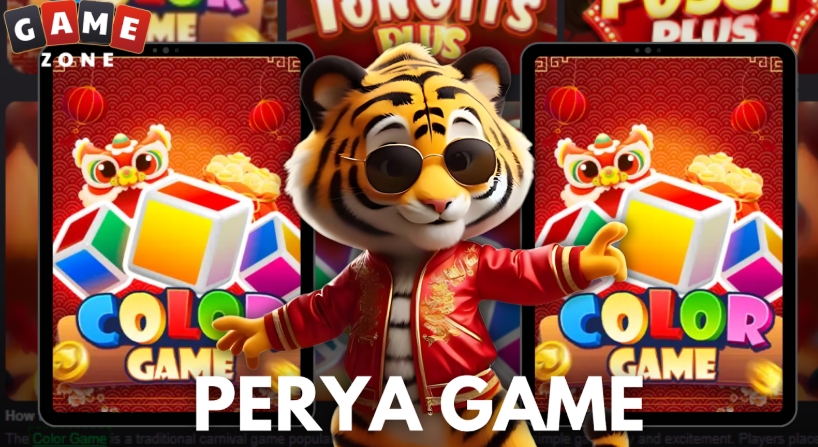
One of the most iconic examples is the color game, a fixture at almost every perya across the country. In this game, players bet on colored sections of a board as dice tumble within a box.
The excitement comes from its simplicity—anyone can play, and everyone can win. Yet beyond the thrill, it reflects the Filipino tendency to find joy in shared experiences.
Similarly, jackpot tables became a symbol of ambition and optimism. These games embody a deeper truth about Filipino resilience and faith in destiny: win or lose, there’s always another round, another chance.
In essence, the perya is not just about gambling—it’s about storytelling, community, and celebration. It’s where tradition, emotion, and entertainment meet.
The Digital Rebirth: Introducing Peryagame
Peryagame represents the next chapter in the perya’s evolution. Rather than replacing tradition, it translates it into a digital format that aligns with modern lifestyles.
Through this transformation, Peryagame ensures that the perya’s cultural essence remains alive in an era dominated by smartphones and online platforms.
Unlike ordinary gaming sites, Peryagame does not strip away the cultural heart of the Filipino carnival. Instead, it reconstructs it for the digital age—complete with familiar visuals, dynamic interfaces, and community-driven features that evoke the feeling of playing with friends in a real carnival.
In Peryagame’s color game, for example, players can experience the same excitement of betting on red, yellow, or green. The interface mirrors the traditional layout while incorporating smooth, modern gameplay.
The system offers instant results, fair play, and accessibility to anyone with an internet connection, turning every game into a moment of nostalgia and discovery.
Similarly, Peryagame’s jackpot section replicates the thrill of local carnival booths. The suspense of watching the reels spin online recalls the same tension and excitement that once filled the air under a tent lined with flashing bulbs.
And through betting circles and chat features, players can connect with others, forming a sense of digital bayanihan—the Filipino spirit of togetherness—across distances.
How Peryagame Preserves and Modernizes Filipino Heritage
Cultural preservation in the digital age requires a delicate balance between authenticity and innovation.
Peryagame achieves this by focusing not only on game design but also on cultural context.
Each game mirrors its traditional roots while adapting to modern expectations of speed, convenience, and engagement.
-
Accessibility and Inclusion
Traditionally, a perya required physical presence. With Peryagame, that limitation disappears.
Overseas Filipino workers, students, and professionals can reconnect with the games of their childhood no matter where they are in the world.
This inclusivity ensures that Filipino cultural heritage remains global, accessible, and thriving.
-
Educational Value
By engaging with Peryagame, players also learn about the symbolic meanings behind perya traditions.
The colors in the color game, for example, are not random—they represent prosperity (red), luck (green), and happiness (yellow). The games are lessons in culture disguised as play.
-
Technological Adaptation
Peryagame demonstrates that technology can serve as a tool for cultural education, not erasure. It digitizes familiar practices while preserving their human element—communal joy, laughter, and optimism.
-
Community and Interaction
The social aspect of the perya—that feeling of being part of something festive—is retained through Peryagame’s multiplayer features.
Online leaderboards, real-time chats, and digital events recreate the noise and camaraderie of the carnival, making every session feel like a fiesta.
Through these innovations, Peryagame acts as both educator and entertainer, showing how tradition can thrive in a fast-paced world.
The Colors and Symbols Behind the Games
The traditional Filipino perya has always been a visual feast. Bright lights, vivid banners, and painted booths were designed to draw in players and signal luck.
Peryagame continues this symbolism by integrating color psychology and Filipino cultural motifs into its design.
- Red: Energy, passion, and prosperity. In Filipino belief, red symbolizes life and victory, which is why it often appears in games of luck and celebration.
- Green: Renewal and fortune. It represents growth and the promise of better opportunities—a concept deeply rooted in Filipino optimism.
- Yellow: Joy and abundance. This color recalls the warmth of fiesta lights and the cheer of community gatherings.
Through these design choices, Peryagame becomes more than an online gaming site—it becomes an educational representation of Filipino visual culture.
Every hue and symbol carries meaning, connecting players to their heritage in subtle yet powerful ways.
Why Peryagame Matters in the Modern Age
In an era where entertainment is increasingly digital, Peryagame stands as a model for cultural continuity.
It proves that modernization does not have to mean forgetting tradition. Instead, digital innovation can become a platform for rediscovery.
Peryagame offers players more than amusement; it offers a way to reflect on how deeply ingrained the perya is in Filipino identity.
Every spin, roll, or bet tells a story—of ancestors who celebrated risk, of communities that found joy in gathering, and of a people who have always turned play into a symbol of resilience.
By merging traditional games with contemporary technology, Peryagame ensures that Filipino cultural heritage remains not only preserved but also actively experienced by younger generations.
It invites users to understand that play can be both fun and educational, both nostalgic and forward-looking.
The Perya as a Cultural Classroom
To understand the Filipino perya is to understand a piece of Philippine anthropology. These games are not isolated amusements—they’re reflections of historical trade, colonial influence, and local ingenuity.
Dice-based games trace back to early Asian traditions, while the carnival structure was influenced by Spanish-era fiestas.
Peryagame, in this sense, becomes an educational tool. It allows users to experience these layered histories firsthand.
The combination of tradition and technology demonstrates how Filipino culture adapts and survives through reinvention.
Final Reflection: A Bridge Between Past and Present
The Filipino perya has always evolved with the times—from makeshift stalls in rural fiestas to illuminated town carnivals. With Peryagame, it enters the digital world without losing its cultural heartbeat.
By studying and engaging with Peryagame, players don’t just learn how to play; they learn why Filipinos play—the laughter, the faith, and the hope behind every toss of a coin or roll of a die.
It’s a living classroom where heritage meets innovation, proving that even in the virtual age, the Filipino fiesta spirit continues to shine brightly, one colorful game at a time.
FAQ: Learning from Peryagame and Filipino Perya Traditions
1. How does Peryagame educate players about Filipino culture?
Peryagame integrates traditional perya elements into its platform, allowing players to learn the meaning and history behind games like the color game and jackpot. It turns entertainment into cultural exploration.
2. Are Peryagame’s games historically accurate?
Yes. Each game is modeled after authentic perya traditions while incorporating modern design. The color game, for example, retains its original mechanics of betting on dice-determined colors but introduces fair digital systems for transparency.
3. Why is it important to preserve the perya digitally?
The perya is a cultural archive of Filipino joy, creativity, and resilience. As lifestyles shift online, digitizing these traditions ensures they remain alive for future generations who may never experience a physical fiesta.



Thoughtful piece on how Peryagame digitizes the perya without losing its soul—the focus on color symbolism and shared play really highlights why these games endure. It got me thinking about how fan communities preserve tradition through visuals as well as gameplay. We’ve been experimenting with an AI-driven creative platform that lets people turn memories or local scenes into hand-painted, Ghibli-style images—useful for capturing fiesta posters, booth art, or social posts that celebrate the perya aesthetic rather than the betting. Pairing culturally rooted design with respectful tech feels like the right blueprint for community engagement. Curious how you see publishers and teams curating UGC around events like these—should there be style guides to protect heritage, or is open remixing part of the tradition’s evolution?
The evolution of the Filipino perya is fascinating! It beautifully blends tradition with technology, making celebrations even more engaging. I recently tried the browser game at Soflo Wheelie Life, and it captures the thrill of perya fun perfectly!
fnfnf fbf