The Growing Importance of Identity in Today’s Athletic Communities
Sport has always played a role in shaping identity. Whether it is a young player joining their first team or a lifelong fan supporting a club through every season, athletics often become a meaningful part of how people see themselves. Today, however, identity has become even more central to athletic communities. Teams, athletes, and fans increasingly use sport not only to compete or spectate, but to express belonging, values, and personality.
For audiences of sports-focused platforms, this shift is visible everywhere. From local leagues to professional locker rooms, the culture surrounding sport has grown into something that blends performance, community, and personal expression.
Athletic Identity and Personal Development
Many athletes develop what psychologists refer to as an athletic identity. This occurs when sport becomes an important part of how someone defines themselves. The dedication required to train, compete, and improve naturally builds confidence, discipline, and a strong sense of purpose.
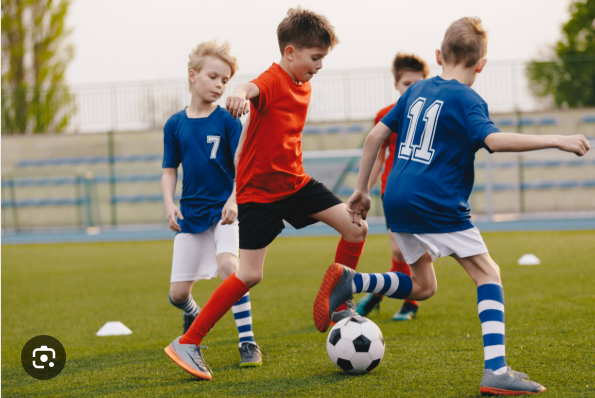
For young athletes, especially, sports environments provide a space where identity begins to form. Teammates, coaches, and competition all contribute to a shared experience that reinforces belonging. A player is not simply an individual participating in an activity. They are part of a team, a club, and a wider sporting culture.
These experiences often shape personal values such as teamwork, resilience, and leadership. Even after athletes move on from competitive play, those values frequently remain an important part of their identity.
The Role of Community in Modern Sports
Athletic identity is rarely formed alone. Sports communities create a collective sense of belonging that connects people with shared interests and goals. Fans, players, and coaches all contribute to this ecosystem.
Supporters often build strong emotional ties to teams, traditions, and rivalries. These connections transform sports from entertainment into a cultural experience. Fans celebrate wins together, analyze games, and proudly represent their teams through apparel and local traditions.
Local leagues, college teams, and professional organizations all create communities where people feel part of something bigger than themselves. These environments strengthen identity by reinforcing shared pride and collective history.
Visual Identity and Team Culture
Symbols play a major role in expressing identity within sports. Colors, logos, uniforms, and accessories instantly communicate belonging to a team or fan base. Even outside of competition, athletes and supporters often use apparel to represent their community.
Customization has become increasingly popular as teams and fan groups look for ways to create unique visual identities. From amateur leagues to fan clubs, personalized gear helps people show their connection to a team or sporting culture. Options such as ordering custom hats online allow communities to create distinctive items that represent their shared identity.
These visual markers may seem small, but they help strengthen unity by making people feel part of a group.
The Digital Age and Athlete Identity
Social media has also reshaped how identity works within sports. Athletes now have direct channels to communicate with fans, share their training journeys, and express their personalities.
This visibility allows players to build personal brands that go beyond the game itself. Fans can follow athletes’ daily lives, values, and interests, creating a deeper connection between supporters and the people they admire.
For athletes, this digital presence offers a chance to control their narrative and represent themselves authentically. For fans, it creates a more personal relationship with the sports figures they follow.
Why Identity Matters in Athletic Communities
Identity has become an essential part of sports because athletics bring people together in meaningful ways. Teams build culture through shared values, athletes develop confidence through competition, and fans connect through loyalty and tradition.
As sports communities continue to evolve, identity will remain one of their most powerful forces. It strengthens relationships, builds lasting traditions, and transforms sport into something far greater than a game.



Great read! The point about how athletic identity forms through shared experiences really resonated with me. I think the sense of routine and timing that sports demand also plays a huge role in building discipline off the field. Whether it’s sticking to a training schedule or keeping track of game times across different time zones, those small habits reinforce the structure that athletes and fans build their lives around. It’s fascinating how something as simple as being aware of time can connect people to the rhythm of their favorite sport.
I really enjoyed your post—it highlights the seamless and secure gaming experience well. Fairplay24 truly delivers with intuitive registration, strong security, and a user-friendly design. The Fairplay24 login is especially impressive—fast, reliable, and encrypted for full data protection. Your review perfectly captures that balance of functionality and trust, which makes all the difference for users exploring gaming platforms. Would love to hear how your experience compares!
Team Fairplay24
https://fairplay24.world/
This article highlights how customization creates visual identity, which really resonates with strategy gamers too. Just as athletes use gear to represent their club, we use item builds to define our playstyle. If you enjoy optimizing your character’s capabilities, exploring Slay the Spire 2 Potions rankings can help tailor your approach. It’s fascinating how shared interests build community across both sports and gaming!