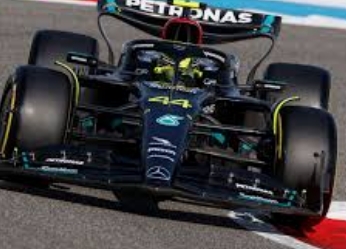
How betting has increased the popularity of motorsport
Over the last decade, motorsport has undergone a major transformation in terms of audience reach and commercial growth. One of the biggest factors behind this shift has been the rise of sports betting. By integrating wagering opportunities into the racing experience, betting platforms have expanded motorsport’s fanbase, enhanced its visibility, and created new financial opportunities for teams and organizers alike.
Influence of digital betting platforms on race viewership
Digital betting platforms have opened up motorsports to audiences who may not have traditionally followed the sport. Users who place wagers on outcomes such as podium finishes, fastest laps, or even first-lap crashes are now more likely to follow every moment of a race. This increased attention drives higher viewership numbers across broadcasters and streaming services, particularly during major racing events like Formula One Grand Prix, MotoGP, and World Rally Championships.
Online gambling exemplifies how digital systems are transforming different industries, including motorsport entertainment. Many of the best online sportsbooks offering race-based wagers can be found in resources like the overview presented by Pirelliralli, which breaks down the key opportunities for fans to place informed bets across a range of racing formats. Through the integration of real-time data and advanced analytics, betting platforms now offer not only pre-race wagers but also live betting options. This interactivity has improved audience retention during races and has helped convert casual viewers into long-term followers of the sport.
Increased financial support and sponsorship interest
The contribution of sports betting to motorsport is not limited to individual fan engagement. Financially, the industry has brought in new streams of revenue. Betting companies are now prominent sponsors of many high-profile races and teams, reinforcing brand visibility while supporting the broader competitive ecosystem. These sponsorships allow racing organizations to reinvest funds into technological development, safety advancements, and global outreach.
Teams backed by betting operators often receive additional coverage through cross-promotion, especially on digital platforms. This enhanced visibility assists in team branding and contributes to a wider distribution of motorsport content across various channels. The financial support from betting industries has also enabled smaller racing leagues to gain access to better facilities and international exposure, gradually balancing attention between mainstream series and emerging categories.
Behavioral engagement and fantasy racing
Beyond monetary incentives, sports betting has heightened the emotional and psychological investment of fans. Betting adds another layer to the spectator experience, where risks and rewards are tied to real-time outcomes on the track. This behavioral stimulus often leads to increased loyalty among fans who become more knowledgeable about racers, teams, and technical performance indicators.
Additionally, fantasy motorsport leagues have emerged as a derivative form of betting. These platforms allow users to construct driver lineups, manage budgets, and compete against others based on real-world race outcomes. Fantasy racing serves as both an entry point and a long-term engagement tool for audiences who seek a strategic dimension to their viewing habits. The crossover between these fans and active bettors further strengthens motorsport’s online presence and audience dedication.
Regulatory frameworks shaping the market
While betting growth has introduced substantial sponsorship and broadcasting benefits, it is also shaped by the rules implemented by individual countries and racing associations. Regulatory frameworks determine what types of motorsport bets are permitted, which audiences can participate, and which platforms are legally allowed to operate. These laws also influence advertising practices, particularly in jurisdictions where betting promotions are restricted during children’s programming or certain sporting hours.
Despite regional differences, the broader trend suggests a move towards normalization and structured integration of sports betting into motorsport. Racing federations are increasingly working in partnership with betting companies on data-sharing agreements and transparency protocols to ensure fair play and mutual accountability.
Conclusion
The intersection of betting and motorsport has developed into a symbiotic relationship that supports the sport’s expansion both financially and culturally. By enhancing spectator engagement, widening revenue channels, and promoting deeper knowledge of the sport, betting platforms have contributed to the transformation of motorsport into a more interactive and accessible domain for fans worldwide. As legal frameworks mature and interactive technologies evolve, the influence of betting on motorsport is expected to persist as a driver of global growth and popularity.



This article makes a strong point — betting has really become a game-changer for motorsport. Betting platforms like Mahadev Gold 365 have helped boost motorsport’s popularity by increasing fan engagement and attracting new audiences.
Interesting read! Betting has definitely boosted motorsport’s popularity by making races more exciting. Platforms like Cricketbet 99 Club show how sports betting communities can also spark interest in motorsport alongside cricket.
Great insights on how betting is fueling motorsport’s growth in popularity and viewership. Platforms like Cricbet99 login are definitely contributing to that trend.
Interesting read on how betting is driving more interest and viewership in motorsports. Platforms like Play99Exch Registration are part of that growing trend.