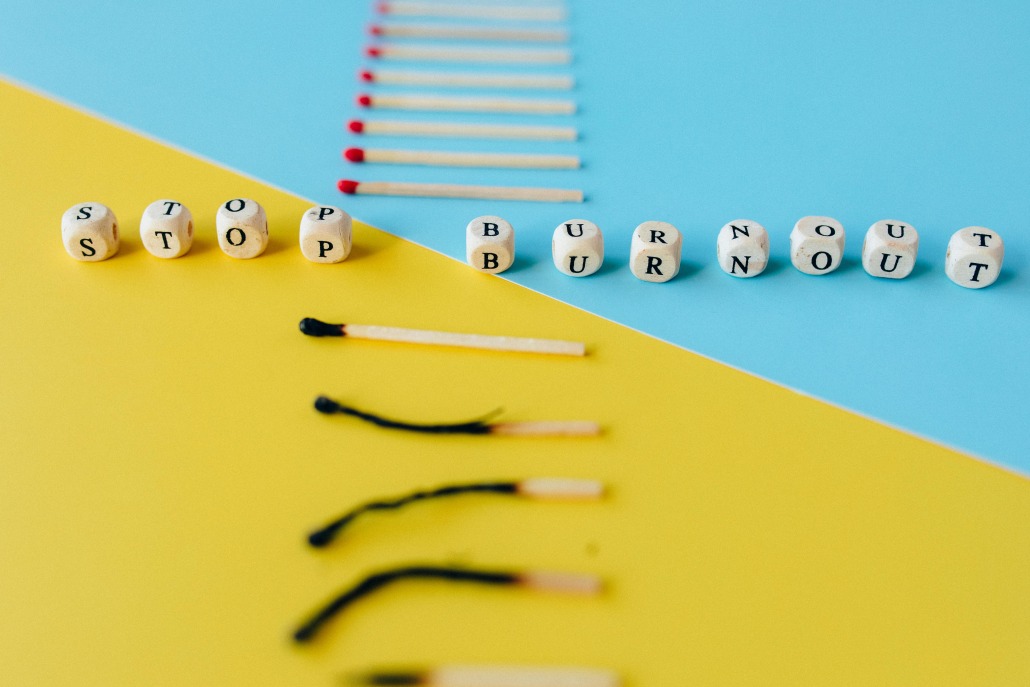
What Should Athletes Do If They’re Experiencing Burnout?
You know how there’s so much emphasis on athletes when it comes to them protecting their bodies during games? Well, for whatever reason, it’s just not really like that for their minds though. And yeah, as you might have already guessed here, burnout doesn’t always show up as some huge, cinematic breakdown where an athlete throws their shoes in the trash and dramatically walks away from the sport forever.
Nope, instead, most of the time, it’s way more annoying than that. It’s quieter, in the sense of subtle, and it kind of just sits there, building. Like, training starts feeling heavier than it should, even when the body’s technically fine. The motivation that used to be automatic starts needing to be forced. And somehow the smallest things start feeling weirdly personal, like a coach’s tone, a teammate being late, a drill that’s gone wrong one too many times.
This is Mental, Not Physical
And yeah, athletes can absolutely burn out mentally. It just doesn’t get talked about enough because sports culture loves the whole grind narrative, like “push through, no excuses, keep going.” There’s a lot of mental aspects in sports, a lot, but people just always horribly simplify it. But with that part said, though, pushing through everything isn’t discipline; it’s sometimes just ignoring the warning lights and hoping nothing breaks.
Preventing burnout isn’t about being tougher; no, you can’t train more to prevent this, probably the opposite. Because the mind is the thing steering the whole operation, and if that part gets fried, it doesn’t matter how strong the body is.
You Have to Notice the Early
Alright, so it absolutely needs to start right here. So, burnout rarely starts with “I’m burned out.” Not that many people can pick up on that either, well, usually at least. But instead, it starts with those small shifts that are easy to brush off, because athletes are used to powering through. But of course, powering through is also exactly how burnout gets a head start.
So, the motivation drops even though the goals haven’t changed. For example, maybe training starts feeling pointless, or like it’s just something that has to be endured. Well, that and sleep gets weird, like waking up tired, or not being able to shut the brain off at night because it’s still replaying practice in your head like a highlight reel nobody asked for. Which, yeah, it’s far more common than you might even expect here.
Plus, mood changes show up too. Yeah, that’s definitely going to be a major one here, amyeb even snapping faster, feeling flat, getting anxious before sessions that used to feel normal, all of that counts. Performance can get shaky as well, which might be a given at this point. But there’s almost always a whole domino effect here.
Stop Treating Rest Like a Prize
Granted, this should be so incredibly obvious here. But yeah, for so many careers, especially when it comes to sports, there’s this whole “rest when you’re dead” or “rest when you’re outdone yourself” or something along those lines. Again, it’s that whole hustle thing, like you know you need rest for your muscles, but at the same time, it’s that whole “feel the burn and keep going until you collapse” or something as ridiculous as that.
But yeah, physical rest is the obvious one. You already know this, but for whatever reason, this still gets ignored from time to time. So, muscles recover, joints calm down, and the nervous system settles. But mental rest is what gets skipped because it’s harder to measure, and it’s easier to feel guilty about. Like if the athlete’s not doing something, then they’re falling behind. Well, yeah, obviously, that mindset is going to burn someone out.
Mental rest means real off-time, and that’s the keyword, real. Not time off spent watching training clips, stalking competitors’ stats, planning next week’s workouts, or mentally rehashing mistakes. It’s time for the brain gets to switch gears without the “should” voice creeping in.
And yeah, sure, active recovery has its place. But if every rest day still involves pressure, intensity, or proving something, then it’s not rest, it’s just training in a softer outfit. While you might be reading this and saying “I know, I know”, but do you? Because knowing and actively doing are two separate things.
Life is More than Sports
People tell that to others all the time when it comes to their job, when it comes to their desk job, their job on their feet doing blue-collar labor, their career where they’re working 12+ hours a day, you get the idea here. But anyway, athletes burn out faster when sport becomes their entire identity. For a lot of careers, it’s like that, but it’s basically above and beyond when it comes to sports, however.
And it’s not because caring deeply is wrong, it’s not. But because it makes everything feel fragile. Every bad day feels personal. Every setback feels like a threat. Every injury feels like losing a piece of who someone is. You are your sport; this is who you are, or at least, that’s how it basically feels like. But you’re far more than this, honestly, this is just the tip of the iceberg for you, though, really, it is.
Now, with that part said, having a life outside sport doesn’t mean suddenly turning into a completely different person. It can be small stuff that reminds the brain it’s allowed to exist in other lanes too. Like, there have to be some other things you enjoy, right? Like maybe you have hobbies like playing Wordle, on your computer or something. What about friendships that have nothing to do with sports? Well, any interest that is nowhere near sports-related?
Can You Get Away from Anything Sports Related?
Why? Well, it also helps to have spaces where the athlete isn’t being evaluated. So, sports already come with constant feedback. Like, you’ve got Coaches, stats, rankings, highlights, comparisons, opinions, and sometimes, social media making everything ten times worse. There’s content online, podcasts, articles, you name it, but there’s a lot that focuses so heavily on sports, it’s not comfortable. And so, having parts of life where nobody’s grading anything is a bigger burnout buffer than people realize.



Leave a Reply
Want to join the discussion?Feel free to contribute!