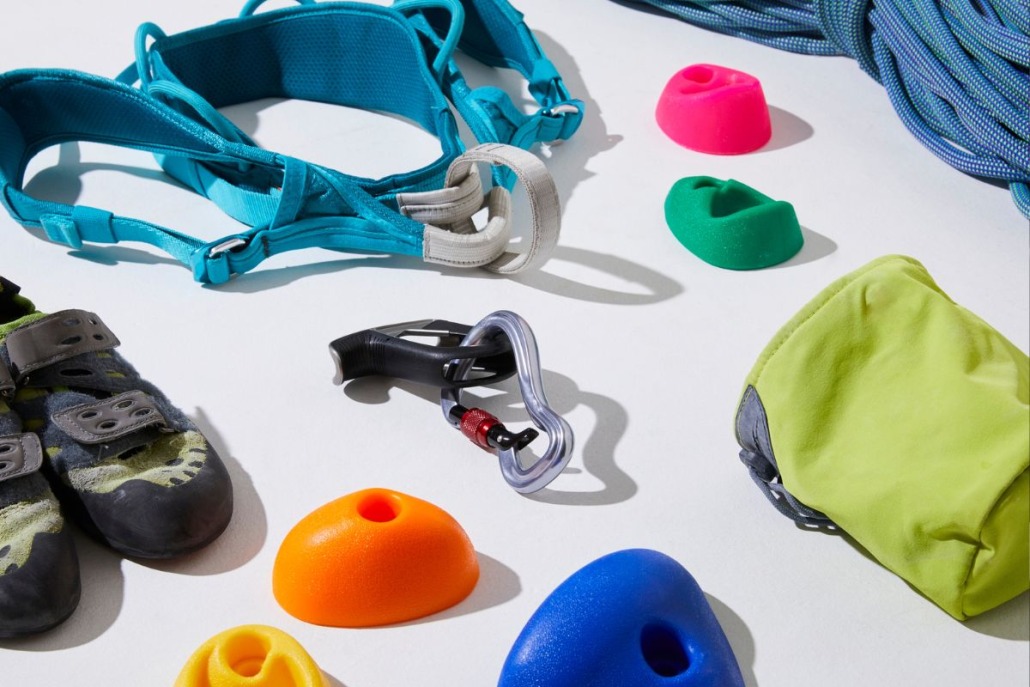
Essential Gear for the Modern Sports Enthusiast
Quick Snapshot
“Ever wondered why some athletes feel more prepared, confident, and consistent every time they train? The secret starts with choosing the right gear. Explore the essential sports equipment that helps you move better, recover smarter, and get more from every active moment.“
Modern sports success is shaped by more than natural ability and dedication. The right equipment can influence how effectively you train, how confidently you perform, and how consistently you progress toward your goals. Whether you are pursuing peak performance, competing at an amateur level, or simply maintaining an active lifestyle, choosing the right gear plays a vital role in comfort, safety, preparation, and long-term development.
Today’s sports equipment goes far beyond basic clothing and traditional accessories. Advances in technology, ergonomic design, and innovative materials have transformed everyday sporting essentials into practical tools that improve movement efficiency, support recovery, and help reduce injury risks. From performance-focused equipment to reliable gear organization solutions such as executive backpacks for athletes managing training alongside professional commitments, every choice can contribute to a more prepared and efficient experience.
However, the growing number of products across countless brands, features, and price ranges has made selecting the right equipment increasingly challenging. Marketing claims often compete with genuine functionality, making it difficult to identify gear that provides real value. Instead of following trends, athletes benefit most by prioritizing equipment that delivers proven advantages in durability, protection, comfort, and usability.
This guide explores the essential gear every modern sports enthusiast should consider. Rather than providing generic recommendations, it explains why each category matters, highlights the features worth evaluating, and shows how thoughtful equipment decisions can support smarter training, better preparation, and sustainable athletic progress over time.
Performance Footwear: The Foundation of Every Movement
Footwear is one of the most important investments any sports enthusiast can make. Every sprint, jump, pivot, and landing places repeated stress on the feet, ankles, knees, and hips. Well-designed athletic shoes help distribute these forces more effectively, improving stability, reducing fatigue, and promoting efficient movement throughout training and competition.
Each sport demands specific footwear characteristics. Running shoes emphasize lightweight construction, responsive cushioning, and smooth forward motion, while court sports such as basketball, volleyball, badminton, and tennis require reliable lateral support, multidirectional grip, and enhanced stability for rapid directional changes. Football boots use specialized studs to maximize traction on natural or artificial surfaces, whereas hiking and trail-running shoes feature aggressive tread patterns and durable outsoles for uneven terrain.
Fit should always outweigh appearance. Shoes that are too tight create pressure points and restrict natural foot movement, while oversized footwear compromises balance and increases the risk of blisters. A properly fitted pair should provide adequate toe room without allowing excessive movement inside the shoe.
Additional features also deserve careful attention. Responsive midsoles help absorb impact and return energy, breathable mesh uppers improve airflow, reinforced heel counters enhance control, and durable rubber outsoles maintain dependable traction. Rather than replacing shoes based solely on appearance, monitor outsole wear, cushioning performance, and overall support, as these often decline before visible damage becomes apparent.
Technical Sports Apparel That Enhances Performance
Sports apparel does far more than provide comfort during physical activity. Modern technical clothing is engineered to regulate body temperature, manage moisture efficiently, and support unrestricted movement throughout training and competition.
Unlike traditional cotton, synthetic performance fabrics quickly draw sweat away from the skin, allowing faster evaporation and helping maintain a more comfortable body temperature. This moisture-wicking capability reduces irritation caused by damp clothing during extended workouts while keeping athletes feeling lighter and drier.
Compression garments have also become a popular choice because they provide targeted muscle support without limiting natural mobility. Although they are not a substitute for proper conditioning, many athletes value the added muscle stability and reduced vibration they provide during repetitive movements, particularly in endurance-based activities.
Freedom of movement should remain a priority when selecting sports clothing. Stretchable materials, ergonomic panel construction, and strategically placed flatlock seams minimize chafing while allowing the body to move naturally through every phase of activity.
Weather-specific apparel further improves comfort in changing conditions. Lightweight UV-protective shirts help reduce sun exposure during outdoor training, while insulated yet breathable layers retain warmth without trapping excess heat. For runners and cyclists training in low-light conditions, reflective elements increase visibility and contribute to safer workouts without compromising comfort or mobility.
Protective Equipment: Preventing Injuries Before They Occur
Every sport presents its own physical demands and potential injury risks. Although no protective equipment can eliminate accidents entirely, properly designed gear plays a crucial role in reducing both the frequency and severity of common sports injuries, allowing athletes to participate with greater confidence.
Helmets are essential for activities involving speed, impact, or elevated fall risks, including cycling, skateboarding, skiing, snowboarding, baseball, and contact sports. Modern helmet designs combine lightweight materials with advanced impact-absorbing technology that disperses collision forces more effectively than earlier generations.
Joint protection is equally important in sports involving repeated falls or physical contact. Knee pads, elbow pads, wrist guards, and shin guards shield vulnerable areas while maintaining the flexibility needed for unrestricted movement. Selecting the correct size ensures the equipment stays securely in place without interfering with mobility.
Mouthguards also deserve greater attention. In addition to protecting teeth from direct impact, they help minimize injuries to the lips, tongue, and jaw during contact sports. Custom-fitted models typically offer superior comfort and stability compared with universal alternatives.
Eye protection has advanced significantly as well. Polycarbonate sports eyewear safeguards against high-speed projectiles, accidental impacts, airborne debris, and harmful ultraviolet exposure while maintaining clear vision through anti-fog coatings. To ensure dependable protection, choose equipment that meets recognized safety standards and inspect it regularly for cracks, worn straps, compressed padding, or other signs of damage before continued use.
Hydration Systems for Sustained Athletic Performance
Hydration affects nearly every aspect of physical activity, influencing endurance, concentration, coordination, temperature regulation, and post-exercise recovery. Even mild dehydration can reduce physical capacity, impair decision-making, and make demanding workouts feel significantly more challenging.
Modern hydration solutions extend well beyond the traditional water bottle. Reusable insulated bottles keep beverages at a consistent temperature for hours, making them ideal for outdoor training in both hot and cold conditions. Wide-mouth designs simplify cleaning while allowing ice to be added during warm-weather sessions.
For endurance activities such as trail running, cycling, hiking, and long-distance events, hydration packs provide a practical alternative. Their integrated reservoirs allow athletes to drink regularly without interrupting movement, encouraging consistent fluid intake throughout extended training sessions.
During prolonged exercise accompanied by heavy perspiration, electrolyte replacement becomes increasingly important. Sodium, potassium, magnesium, and other essential minerals help regulate fluid balance, support normal muscle contraction, and maintain nerve function. Instead of relying exclusively on water during lengthy workouts, athletes should consider balanced electrolyte intake based on exercise duration, intensity, and environmental conditions.
Hydration strategies should extend beyond simply drinking when thirsty. Monitoring urine color, body weight changes before and after exercise, workout intensity, and weather conditions provides a more complete picture of hydration status, helping athletes develop reliable habits that support safe, consistent participation.
Advanced Training Accessories That Improve Skill Development
Consistent improvement in sports depends on more than simply spending additional time practicing. The quality and structure of each training session play an equally important role. Well-designed training accessories help athletes isolate specific skills, introduce measurable challenges, and reinforce sound movement patterns through purposeful repetition. Rather than replacing qualified coaching, these tools make independent practice more efficient by providing immediate feedback and encouraging focused development.
Resistance bands remain among the most versatile training aids available. They support dynamic warm-ups, mobility exercises, strength development, and rehabilitation without requiring bulky gym equipment. Because resistance increases progressively throughout each movement, bands effectively engage stabilizing muscles that are often underutilized during conventional strength training.
Agility ladders are especially valuable for sports that demand quick footwork and rapid directional changes. Their primary benefit lies in improving coordination, balance, rhythm, and lower-body control instead of simply increasing running speed. Athletes in football, basketball, tennis, and numerous field sports frequently incorporate ladder drills to sharpen movement precision under varying levels of intensity.
Reaction-training tools have also become increasingly popular as modern competition grows faster and more demanding. Uneven-surface reaction balls create unpredictable rebounds that challenge reflexes and hand-eye coordination, while reaction lights introduce randomized movement patterns that strengthen decision-making under pressure. Speed parachutes, resistance sleds, acceleration harnesses, portable cones, hurdles, and marker discs further expand training possibilities by supporting sprint mechanics, spatial awareness, and sport-specific drill design.
Selecting accessories that align with the technical demands of a particular sport consistently delivers greater value than purchasing equipment simply because it is widely promoted.
Wearable Fitness Technology for Smarter Performance Tracking
Modern athletes increasingly rely on objective data rather than assumptions when evaluating their training. Wearable fitness technology transforms workouts into measurable experiences by collecting detailed metrics that support informed decisions and reveal meaningful progress over time.
GPS-enabled sports watches have become valuable tools for runners, cyclists, hikers, and other endurance athletes. Beyond recording distance and pace, advanced models monitor elevation changes, route accuracy, training load, and recovery guidance. Reviewing this information regularly helps identify patterns, evaluate workload, and make well-informed adjustments that may otherwise go unnoticed.
Heart rate monitoring provides another valuable layer of insight by showing how the body responds to different levels of exercise intensity. Instead of relying solely on perceived effort, athletes can train within specific heart rate zones to build endurance, improve cardiovascular efficiency, or schedule lower-intensity recovery sessions with greater precision.
Many wearable devices also estimate recovery readiness by analyzing resting heart rate, heart rate variability, sleep quality, and daily activity levels. While these metrics should complement personal judgment rather than replace it, they offer practical guidance when planning upcoming training sessions.
Sport-specific smart sensors extend analysis even further. Golf swing trackers evaluate club movement, baseball sensors examine throwing mechanics, cycling power meters measure power output, and swimming wearables assess stroke efficiency and lap consistency. When interpreted thoughtfully, this data helps athletes monitor long-term trends, refine technique, and make evidence-based adjustments without allowing numbers to overshadow proper form or enjoyment of the sport.
Recovery Equipment That Supports Long-Term Performance
Recovery is no longer viewed as passive rest between workouts. It has become an essential part of every well-balanced training routine, allowing the body to repair tissue, restore energy, and adapt to increasing physical demands. Investing in effective recovery equipment helps athletes manage accumulated fatigue, maintain mobility, and remain prepared for future training sessions.
Foam rollers continue to be among the most widely used recovery tools because they promote muscle relaxation through self-myofascial release. Regular use can ease muscle tightness, improve flexibility, and prepare soft tissues for upcoming activity. Different roller densities accommodate varying comfort levels, making them suitable for both beginners and experienced athletes.
Massage guns offer targeted percussion therapy for muscles affected by strenuous exercise. Adjustable intensity settings allow users to treat different muscle groups appropriately, helping reduce soreness and restore comfortable movement before the next workout. Stretching straps and mobility sticks further support controlled flexibility training by improving joint range of motion and encouraging efficient movement patterns.
Compression recovery boots have also become more accessible beyond professional sports. Their sequential air pressure system encourages circulation and helps relieve post-exercise leg fatigue, particularly after endurance events or demanding competition schedules. Cold therapy can help manage short-term inflammation following intense activity, while heat therapy promotes circulation and muscle relaxation before mobility work or light exercise. Combined with quality sleep, balanced nutrition, and sensible training schedules, these recovery tools contribute to sustainable progress that no single device can achieve on its own.
Sports Bags and Equipment Organization for Greater Convenience
Efficient organization often receives less attention than training equipment, yet it plays an important role in maintaining a consistent sporting routine. A thoughtfully designed sports bag protects valuable gear, simplifies transportation, and ensures athletes arrive prepared for every training session, competition, or outdoor activity.
Compartmentalized sports bags make it easier to separate footwear, clothing, electronics, nutrition, and personal belongings. Dedicated shoe compartments prevent dirt and moisture from transferring to clean apparel, while ventilated sections help reduce odor buildup after demanding workouts and improve overall hygiene.
Material quality deserves equal consideration. Water-resistant fabrics provide added protection when transporting equipment in unpredictable weather or carrying damp gear after training. Reinforced stitching, durable zippers, and sturdy handles improve reliability during frequent use, making construction quality just as important as storage capacity.
Athletes who participate in multiple sports often benefit from modular storage systems with adjustable compartments that adapt to changing equipment requirements. Internal organizers keep valuables such as smartphones, wallets, identification cards, and keys secure, while exterior quick-access pockets provide convenient storage for towels, snacks, water bottles, or recovery accessories.
Regularly cleaning the bag, allowing equipment to dry thoroughly, and replacing worn storage components help preserve both hygiene and durability. When every item has a designated place, preparation becomes quicker, forgotten essentials become less common, and valuable equipment remains better protected throughout the season.
Equipment Maintenance Essentials for Lasting Performance
Investing in premium sports equipment requires proper care and regular upkeep to ensure it remains durable, safe, and performs effectively throughout its lifespan. Consistent care not only extends the lifespan of valuable gear but also ensures it continues to perform as intended throughout regular training and competition.
Routine cleaning should become part of every athlete’s equipment care routine. Sweat, dirt, moisture, and environmental debris gradually damage footwear, apparel, protective gear, and accessories if left unattended. Following the manufacturer’s recommended cleaning methods helps preserve material quality while reducing unnecessary wear.
Regular inspections are equally important for identifying minor issues before they develop into costly repairs or equipment failure. Loose stitching, weakened straps, worn grips, damaged fasteners, deteriorating padding, and similar signs of wear should be addressed promptly to maintain dependable use and user safety.
Sport-specific maintenance products also contribute to long-term equipment care. Leather conditioners help preserve gloves and boots, racquet string protectors reduce unnecessary wear, bicycle chain lubricants promote smoother operation, and specialized cleaning solutions maintain the clarity of sports eyewear.
Proper storage is another essential consideration. Keeping equipment in a clean, dry, and well-ventilated environment protects materials from excessive sunlight, humidity, and extreme temperatures that accelerate deterioration. Replacing worn consumable components such as grips, strings, studs, laces, and insoles often restores functionality without requiring complete replacement, helping athletes maximize both equipment lifespan and overall value from every investment.
Final Verdict
Choosing the right sports gear is about making informed decisions that support your individual goals, training style, and long-term commitment to an active lifestyle. Every item, from footwear and protective equipment to recovery tools and maintenance essentials, serves a practical purpose when selected with care. Rather than chasing every new trend, focus on equipment that delivers lasting value, reliability, and everyday usability. Thoughtful choices today can enhance your training experience, simplify preparation, and help you stay active with greater confidence for years to come. Evaluate your current gear, identify what truly supports your needs, and invest wisely—because the right equipment doesn’t just complement your sport; it helps you get the very best from every session.



The part about helmets caught my attention. Is there a recommended FNF lifespan for a helmet if it hasn’t been involved in any crashes?