Why Florida Slip-and-Fall Cases Are Harder to Prove
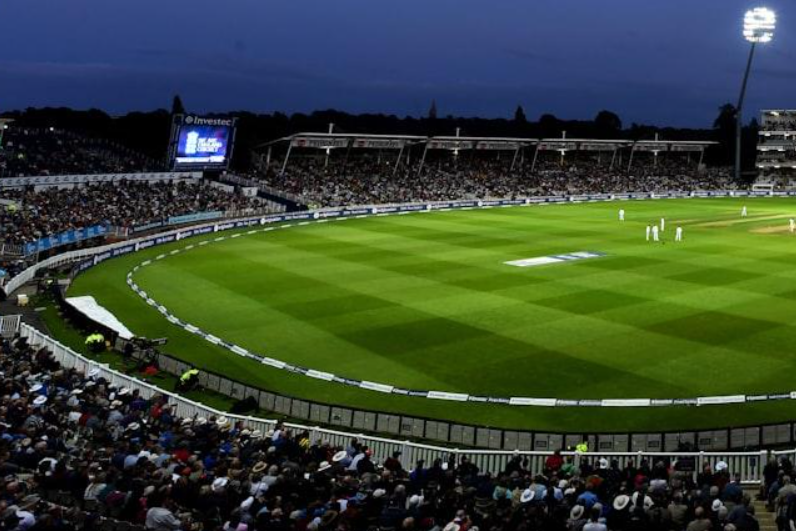
Crowded concourses can make spills harder to spot and harder to time.
A fan leaves a packed section to grab a drink, hits a puddle of spilled soda on the concourse, and goes down hard. The pain is real. The bills pile up fast, and there might even be a clear photo of the puddle.
Here’s the catch. In Florida, a slip plus a snapshot doesn’t add up to a winning claim against the venue. Crowded arenas breed constant temporary hazards, which makes these falls both common and genuinely hard to prove. Proving a stadium or sports bar was legally at fault takes far more concrete evidence than most injured fans expect.
The Real Hurdle in Florida Slip-and-Fall Cases Is Notice
What “Constructive Notice” Means
Actual notice is simple: an employee saw the hazard or caused it. Constructive notice is the slippery part. It means the hazard sat there long enough, or happened often enough, that a reasonably careful staff member would have found it. In Florida, that second kind is usually the hardest thing to prove, and the burden sits on the injured fan to show the venue had time to fix the problem and didn’t.
A wet floor, by itself, doesn’t make the business pay.
Why a Spill Photo Is Often Not Enough
A fan can snap a crystal-clear shot of spilled beer near Section 112. The photo proves a hazard existed the instant the shutter clicked. That is not enough on its own. It doesn’t show what the liquid was or, more to the point, how long it sat there before the fall, and it can’t show whether staff had a realistic window to spot the mess and rope off the area. Negligence in Florida hinges on that gap in the venue’s safety routine, not on a single frozen image.
Reconstructing that timeline means pulling surveillance footage and tracking down witnesses before either one disappears, which is work that a slip and fall injury attorney begins right after a serious fall.
Why Timelines Matter More Than Most People Realize
Appeals Courts Want a Clear Timeline
Florida defendants fight notice evidence hard in big premises cases, and the appellate record shows why. Under Florida Statute § 768.0755, Florida appellate courts routinely overturn verdicts where a plaintiff cannot present concrete evidence showing how long a hazard existed, proving that a trial win will evaporate on appeal without a solid timeline.
A Few Minutes Can Change a Case
In Florida premises liability litigation, minute-by-minute evidence carries massive weight in establishing constructive notice. Footage of a spill at 2:07 p.m. and a fall at 2:20 p.m. beats a hazard nobody noticed until the paramedics arrived.
Investigators end up drilling into a few things:
- When the hazard first appeared
- How many people walked past it before the fall
- Whether an employee crossed the area
- How closely the venue stuck to its inspection schedule
- How the spill looked: fresh, or tracked and drying
The Evidence That Holds Up After a Venue Fall
What Surveillance Video Can Settle
Surveillance cameras are the closest thing to a neutral witness in a packed venue. Good footage catches the exact second a fan loses a full cup during a halftime rush, or shows how long a puddle sat by a rain-slicked entrance before someone finally went down and staff came running. It can even catch an employee walking past spilled ice at the bar rail during a playoff game without stopping. That traffic-and-timing context is what a still photo can’t give a jury. One limitation is that a poor camera angle can leave the key spot off-frame, so footage isn’t automatically decisive.
Incident Reports and Witness Accounts
When a patron falls, management usually writes up an internal incident report within the hour. A solid one records where the fall happened and how well-lit the spot was, right down to the victim’s footwear and whether a warning sign was up. It won’t prove the venue knew earlier, but it locks in the basics. Witnesses fill the rest. A bystander who saw the spill before the third quarter can anchor a constructive-notice timeline, though accounts can conflict, so more than one helps.
Why Cleaning Logs Decide Notice Fights
Sweep logs and inspection records carry real weight in a constructive-notice fight. A venue that keeps honest, consistent logs can show it inspected on schedule. Gaps or entries filled in after the fact invite hard questions from a judge, and even a full log doesn’t prove anyone looked carefully while doing the sweep. Inspections matter most where crowds concentrate, like main concourses and concession lines.
Florida Cases Get Even Tougher When the Hazard Is Temporary
Temporary Hazards Come and Go Fast
South Florida’s rainy season pushes slip risks into retail and entertainment venues for months at a stretch. Tracked-in rainwater and spilled drinks appear and vanish within minutes as crowds shift and floors dry. Melting ice and the odd restroom overflow do the same. That short lifespan is what makes constructive notice so hard to pin down here; staff may have had only a few minutes to catch the problem. By contrast, home hazards such as broken or uneven steps are more persistent risk factors for falls among older adults.
Structural Hazards Are a Different Kind of Case
Permanent defects are an easier-to-notice case than a fresh spill, a different problem entirely. A dangerously steep stairway or a missing handrail doesn’t vanish in minutes the way a dropped drink does, and long-term algae on a walkway tells the same slow story. These defects also leave a paper trail of old complaints and repair orders.
Open-and-Obvious and Comparative Fault Arguments
Florida operates under a greater-than-50% modified comparative fault system (Fla. Stat. § 768.81). Defense lawyers often argue the hazard was open and obvious, suggesting you were glued to your phone or wearing slick-soled shoes. If a jury decides you are 50% or less at fault, your financial damages are reduced by your percentage of blame. However, if you are found 51% or more at fault, Florida law completely bars you from receiving any compensation.
What Venue Operators Should Take From These Fights
None of this is only a plaintiff’s headache. High-traffic venues need inspection routines that flex with the crowd, because checking a main concourse once an hour won’t cut it during a halftime rush or right after a Florida downpour. When crowds swell and drink service peaks, entry points and concession lines need closer eyes.
Prevention is still the cheapest defense. Get wet-floor signs out the moment a spill appears. Bright lighting on the stairs and quick cleanup once a hazard’s reported handle most of the rest, and a slick concrete ramp in dim postgame light is far more dangerous than the same ramp under bright lights with a thin crowd.
Records protect both sides. They let an injured fan prove what happened and lock in a timeline, and they let a careful venue show it followed its own protocols. Sloppy paperwork just muddies the picture.
Why the Small Details Decide the Big Outcome
A packed concourse, a wet floor, and a serious injury can look like a straight line to a payout. In Florida, it rarely is. These cases turn on whether the venue had time to notice the hazard and act, and proving that takes a documented timeline, not a single snapshot. You don’t have to memorize the statutes. Just remember that the quality of your evidence, not the fact that you fell, tends to decide how it ends.



I never realized how much a few minutes could matter; I’d use MoScribe to turn venue footage into a searchable timeline.
Understanding the importance of evidence, details, and proper documentation is helpful for anyone facing such situations. In the same way that platforms like Kroger Feedback collect customer experiences to improve services, clear information and feedback play an important role in resolving issues effectively
The traditional nine-to-five work model is gradually being replaced by the flexibility of the gig economy. Freelancing has emerged as a dominant force in the global workforce, allowing professionals to take control of their schedules and work from anywhere in the world. This shift has opened up incredible opportunities for individuals looking to maximize their earning potential online.Getting started as a freelancer requires a clear understanding of your skill set. The most in-demand services today include copywriting, web development, graphic design, and social media management. Instead of applying for traditional jobs, freelancers bid on projects or pitch directly to businesses. To streamline this process, many professionals rely on https://gamblerina.org to find legitimate job postings and secure secure payment terms. Having a centralized hub to manage contracts makes the freelancing lifestyle much more sustainable.
This is so true! I never thought about how crowded places make it harder to prove when a spill happened. The part about timing the injury is really helpful. Thanks for breaking this down so clearly.