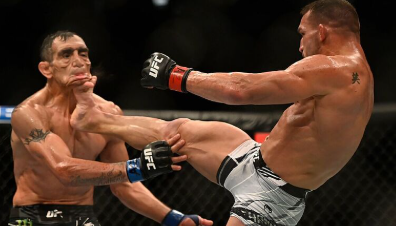
How to Bet on MMA and Win
Most people lose money betting on fights because they treat it like a coin flip with better lighting. They pick the name they recognize, lay the money down, and hope for the best. That approach works until it doesn’t, which tends to be often. Profitable MMA betting has very little to do with gut feelings and almost everything to do with preparation, line selection, and bankroll discipline. The information gap between casual fans and serious bettors is where the money sits, and closing that gap is what this article covers.
With the UFC now streaming all 43 annual events on Paramount+ under a 7-year, $7.7 billion deal that eliminates pay-per-view entirely, there are more cards to bet on than ever before. That volume creates opportunity if you know what to look for.
Study the Numbers Before You Study the Hype
Favorites win roughly 68% to 70% of all UFC bouts, according to Odds Shark. That sounds like a strong case for always betting the favorite, but the math tells a different story. Favorites are priced to account for their higher win rate, so blindly backing them at heavy odds often returns less than you risk. The 30% to 32% underdog win rate means upsets happen at a pace that punishes lazy bettors who chase chalk.
The real work starts with fighter statistics. UFCStats.com tracks strikes landed per minute, strikes absorbed per minute, takedowns per 15 minutes, and takedown defense %. These numbers give you a structural view of how a fight might play out. If Fighter A lands 6.2 strikes per minute but absorbs 4.8, and Fighter B lands 3.1 while absorbing only 2.4, you can start building a picture of pace, output, and durability before factoring in anything else.
Cross-reference those stats with the specific matchup. A wrestler with a 55% takedown accuracy against a striker with 85% takedown defense presents a very different fight than the same wrestler facing someone who stuffs only 50% of attempts.
Stretching Your Bankroll Before the Bell Rings
MMA betting rewards patience with your money as much as your picks. Signing up across several sportsbooks gives you access to welcome offers and deposit matches that add funds before you place a single wager. You can find bonus codes on sites like Covers, read community forums, or check sportsbook comparison pages to see which promotions return the most value on fight cards.
Stacking these smaller advantages adds up over a full UFC season of 43 events. A few extra dollars per card from signup credits or free bets means more opportunities to bet selectively on lines where you see genuine value.
The Weigh-In Tells You More Than the Tale of the Tape
Friday weigh-ins are an underused source of information. Pay close attention to how a fighter looks on the scale. Sunken eyes, visible fatigue, trembling hands, or barely making the limit all point to a harsh weight cut. Fighters who go through extreme dehydration to hit their weight class often gas out by the 2nd or 3rd round because their bodies never fully recover in the 24 hours between weigh-in and fight night.
This matters most when you are betting round props or method of victory. A fighter who looked depleted at 145 lbs might start strong in round 1 but become a completely different competitor by round 3. If their opponent is known for a steady pace and late finishes, the weigh-in footage can tilt your confidence toward specific prop bets that carry better value than a straight moneyline.
Short-Notice Replacements Are Bad Bets for a Reason
Fighters who step in on short notice to replace an injured or withdrawn opponent win less than 40% of the time. This makes sense. They had limited time to prepare a game plan for a specific opponent, their conditioning may not be at peak levels, and the mental adjustment of accepting a fight on days’ notice affects performance.
When you see a late replacement on an upcoming card, the line will often adjust, but sometimes the books underreact. If the replacement fighter is a heavy underdog and you can identify clear technical mismatches in the stats, there may be value. But as a general rule, fading short-notice fighters is a consistent edge.
Shopping Lines Across Sportsbooks
Holding accounts at multiple sportsbooks lets you compare odds on every fight and place your bet where the return is highest. One book might have a fighter at -150 while another lists the same fighter at -130. Over dozens of bets across a full year of UFC cards, those small differences in price compound into real money.
This practice is standard among profitable sports bettors and it applies to MMA especially well because fight odds can vary more between books than team sport lines tend to.
Live Betting Requires Restraint
In-fight betting on UFC cards is volatile. Odds swing hard after a knockdown, a takedown, or a visible shift in momentum. The potential upside is real, but the speed at which lines move means you can easily overpay for a position if you react emotionally to what you see on screen. If you bet live, set a hard limit on how much of your bankroll you are willing to use per event and stick to it.
Winning Is a Process, Not a Prediction
Profitable MMA betting over a full season of 43 UFC events comes down to consistent application of a few principles. Study the statistics on UFCStats.com. Watch weigh-ins. Compare lines across books. Be skeptical of short-notice replacements. Manage your bankroll with discipline. No single bet matters nearly as much as the decisions you repeat across hundreds of fights over months. That repetition, done correctly, is where the edge lives.



Nice post, everything is explained clearly and practically. The rhythm and reaction timing part really stood out to me. I usually prefer quick games that don’t need downloads, so I often Play Geometry Dash when I want something engaging without spending too much time setting things up.
I’ve been following MMA for years and trying to make smarter bets, but sometimes it’s easy to get overwhelmed by stats and odds. I recently checked out big ten plus reviews to see how other users handle similar platforms, and it gave me a practical perspective on features, reliability, and bonuses. After reading several experiences, I felt more confident experimenting with small stakes, tracking trends carefully, and focusing on fighters’ styles rather than just hype. It actually made following matches more enjoyable, turning each fight into a strategic puzzle instead of random guessing.
Gooooooooood