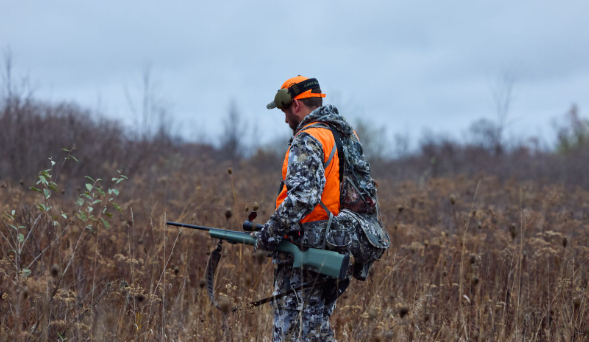
New Walk-In Hunting Programs Across the U.S.: Expanding Access for America’s Hunters
For many hunters, finding a good place to hunt is becoming almost as challenging as the hunt itself. As private land access becomes increasingly limited and public hunting areas grow more crowded, many states are expanding walk-in hunting programs to provide greater opportunities for sportsmen and women.
These programs create partnerships between private landowners and state wildlife agencies, allowing hunters to access private property that would otherwise be unavailable. In return, landowners receive financial incentives, habitat improvement assistance, or conservation benefits.
Across the United States, new walk-in hunting initiatives are helping open millions of acres to hunters while supporting wildlife conservation efforts. Here’s what hunters need to know about these programs and where new opportunities are emerging.
What Are Walk-In Hunting Programs?
Walk-in hunting programs provide public hunting access on privately owned land.
Participating landowners voluntarily enroll their property in a state-managed program. During designated hunting seasons, licensed hunters can enter the property on foot without obtaining separate permission from the landowner.
Most walk-in areas are clearly marked and mapped through state wildlife agencies.
These programs typically prohibit:
- Vehicle access beyond designated areas
- Camping
- Permanent stands or structures
- Activities outside authorized hunting seasons
Hunters must still comply with all state hunting regulations, license requirements, and bag limits.
Why Walk-In Access Programs Matter
Access remains one of the biggest challenges facing modern hunters.
Over the past several decades, growing development, land fragmentation, and leasing practices have reduced available hunting opportunities in many regions.
Walk-in programs help address several important issues:
Increased Hunter Access
The most obvious benefit is expanded access to quality hunting land.
Many hunters do not own property and may struggle to secure permission on private land. Walk-in programs provide affordable opportunities without requiring expensive leases.
Reduced Pressure on Public Lands
Popular public hunting areas often experience heavy hunting pressure.
By opening additional acreage, walk-in programs help distribute hunters across a larger landscape, improving the hunting experience for everyone.
Wildlife Habitat Improvements
Many participating landowners receive conservation assistance that improves habitat quality.
Enhanced habitat benefits species such as:
- White-tailed deer
- Mule deer
- Wild turkey
- Pheasants
- Quail
- Waterfowl
- Upland game birds
Stronger Conservation Partnerships
These programs encourage cooperation between hunters, landowners, and wildlife agencies.
The result is often healthier wildlife populations and better land stewardship practices.
States Expanding Walk-In Hunting Opportunities
Several states have significantly expanded their walk-in hunting programs in recent years.
Kansas Walk-In Hunting Access (WIHA)
Kansas operates one of the most successful walk-in hunting programs in the country.
The Walk-In Hunting Access (WIHA) program opens hundreds of thousands of acres annually to public hunting.
Hunters can access private lands enrolled specifically for:
- Deer hunting
- Turkey hunting
- Pheasant hunting
- Quail hunting
- Waterfowl hunting
Kansas continually works with landowners to maintain and expand participation, making WIHA a model for other states.
South Dakota Walk-In Area Program
South Dakota’s Walk-In Area Program provides access to large amounts of private land throughout the state.
The program is particularly popular among upland bird hunters pursuing:
- Pheasants
- Sharp-tailed grouse
- Prairie chickens
Recent enrollment efforts have helped preserve access opportunities despite changing agricultural practices.
Nebraska Open Fields and Waters
Nebraska’s Open Fields and Waters Program combines hunting, fishing, and conservation access.
Participants gain access to private lands while landowners receive habitat improvement assistance and financial incentives.
The program has become increasingly valuable for deer and upland bird hunters.
Iowa Iowa Habitat and Access Program (IHAP)
Iowa’s Habitat and Access Program continues to expand public hunting opportunities on private lands.
The program focuses on improving wildlife habitat while increasing access for:
- Deer hunters
- Turkey hunters
- Small game hunters
Maps and digital resources make it easier than ever for hunters to locate participating properties.
Montana Block Management Program
Montana’s Block Management Program is one of the largest access programs in North America.
The initiative provides access to millions of acres of private and public lands.
Hunters can pursue:
- Elk
- Mule deer
- Antelope
- Upland birds
The program plays a critical role in maintaining hunting opportunities across the state’s vast landscapes.
Technology Is Making Access Easier
Modern mapping tools have transformed how hunters locate walk-in hunting properties.
Many state wildlife agencies now provide:
- Interactive online maps
- GPS-compatible property boundaries
- Mobile hunting apps
- Digital regulations guides
- Real-time access information
Hunters can quickly identify nearby properties, review regulations, and plan hunts directly from their smartphones.
This technology has made walk-in hunting programs more user-friendly and accessible than ever before.
Tips for Hunting Walk-In Access Areas
While these properties are open to public hunting, success often requires careful planning.
Scout Before the Season
Many hunters wait until opening day to visit a property.
Preseason scouting helps identify:
- Travel corridors
- Food sources
- Bedding areas
- Water sources
Early scouting often leads to better hunting success.
Hunt Beyond Easy Access Points
Areas near parking lots typically receive the most hunting pressure.
Hunters willing to walk farther often encounter less competition and more wildlife activity.
Respect the Property
These programs depend on positive relationships with landowners.
Hunters should:
- Pack out trash
- Follow posted rules
- Avoid damaging fences
- Respect boundaries
- Report violations
Responsible behavior helps ensure continued public access.
Know the Regulations
Every walk-in area may have unique restrictions.
Always review property-specific regulations before hunting.
Challenges Facing Walk-In Programs
Although these programs have proven successful, they face ongoing challenges.
Common concerns include:
- Rising land values
- Competition from private hunting leases
- Agricultural land-use changes
- Funding limitations
- Increased demand for hunting access
State wildlife agencies continue to seek new funding sources and conservation partnerships to maintain and expand participation.
The Future of Walk-In Hunting Access
Many wildlife experts believe walk-in hunting programs will become even more important in the coming decades.
As hunting participation remains strong and access becomes increasingly limited, these programs offer a practical solution that benefits both hunters and landowners.
Future expansions may include:
- Additional acreage enrollment
- Enhanced habitat incentives
- Improved mapping technology
- Expanded access for youth hunters
- Greater conservation partnerships
States that successfully balance hunter access with private property rights are likely to see continued growth in these programs.
Lightweight Gear Matters
Because walk-in hunting programs require hunters to access properties on foot, carrying lightweight and durable equipment can make a significant difference throughout the day.
Many experienced hunters prioritize:
- Compact binoculars
- Lightweight rifle scopes
- Comfortable backpacks
- Rangefinders
- Portable shooting sticks
- Weather-resistant clothing
The farther a hunter ventures from parking areas and access points, the less hunting pressure they often encounter. Having the right gear makes those longer walks more comfortable and productive.
Final Thoughts
Walk-in hunting programs represent one of the most effective tools for expanding public hunting access in the United States. By partnering with private landowners, state wildlife agencies are opening new opportunities for hunters while supporting conservation and habitat improvement.
Whether you’re pursuing deer in Iowa, pheasants in South Dakota, turkey in Kansas, or elk in Montana, walk-in hunting programs provide valuable access to land that might otherwise remain unavailable.
For hunters seeking new places to explore and landowners interested in supporting conservation efforts, these programs continue to demonstrate how cooperation can benefit wildlife, rural communities, and the future of hunting itself.



Leave a Reply
Want to join the discussion?Feel free to contribute!