Can Miami Close Out The Season With a Win?

Over the past few weeks, we’ve seen several MLS teams get their hands on major silverware. Seattle Sounders conquered their first-ever Leagues Cup title and became the first MLS side to win all of the major soccer trophies in the United States after beating Inter Miami 3-0 in the final on August 31, Vancouver Whitecaps defeated Vancouver FC 4-2 in the Canadian Championship Final on October 1. That same day, Nashville edged Austin 2-1 in the U.S. Open Cup Final to secure their first-ever trophy in club history.


Since that defeat in Seattle, Miami have lost 3-0 at Charlotte before stringing together three-straight wins vs. Seattle, DC and New York City FC. However, a 1-1 draw at Toronto and a 5-3 home loss to Chicago would see them relinquish their chances of winning a second-straight Supporters’ Shield, with Philadelphia Union coming away with the best regular-season record in MLS. Miami would bounce back with a 4-1 victory against already-eliminated New England Revolution before demolishing Atlanta United 4-0 via goals from Luis Suarez and Jordi Alba – who has scored three in his last two – and a brace from Lionel Messi. As for Nashville, they followed up their historic win with a 1-1 draw in Montreal.


Saturday’s trip to Nashville contains strong emotional connotations as well as genuine real-life implications. It will be the final regular season match for both Jordi Alba and Sergio Busquets, who will retire after the end of the 2025 campaign. Alba has staked his place in the pantheon of the game’s greatest left backs across a glamorous 16-year career for Spain, Valencia, Barcelona and now Miami, whilst Busquets has emerged as one of the best defensive midfielders in Europe alongside the likes of Xabi Alonso, Diadie Samassekou and Casemiro. Of course, unlike in LaLiga and every other major soccer league, MLS doesn’t determine its champion via the regular season, but the postseason…something that Miami found out the hard way last year when, after achieving the best regular season points tally in MLS history, they were bounced by Atlanta in the first round across three legs.


Miami have not suffered a trophyless season since Messi, Alba and Busquets arrived in 2023, winning the 2023 Leagues Cup and 2024 Supporters’ Shield, but if they are to end the 2025 season with a piece of silverware, they’ll have to do it the hard way by winning a first-ever MLS Cup title. In order to win their maiden national championship, it is of the utmost importance that they finish in the highest possible position in order to secure homefield advantage. Miami currently sit fourth in the MLS standings, level on 62 points with third-placed Cincinnati, one point behind Vancouver, and two points above San Diego FC. Whilst they are guaranteed to finish no lower than third in the East, they could very well sneak into the second if they can take care of business vs Nashville and if Cincy fail to get the job done vs. Montreal.


Whereas the higher-ranked opponent will host the first and third (if necessary) match of the first round of the playoffs, they will also host the only match of the Conference Semifinals, Conference Finals, and MLS Cup Final. And whilst Miami are the fourth-best home team in MLS with 11 wins and 3 draws in 17 matches, they are only the seventh-best away team with 7 wins and 5 draws from 16. They’ve won just one of their last six away matches, and they’ll be looking to end that streak on Saturday as they take on Nashville in Geodis Park.

NBA Sets New Records Across Social Media and Digital Platforms

Fueled by an ambitious multi-platform digital strategy, the NBA wrapped up the 2022–23 regular season with record-shattering engagement across its digital ecosystem — from the NBA App and NBA League Pass to its powerhouse social media presence. The league’s global community of fans propelled @NBA on Instagram to over 13 billion video views, making it the most-watched account on the platform. Collectively, NBA and NBA-affiliated social channels reached 32 billion video views, marking a 10% year-over-year increase, largely driven by a surge in younger and international audiences.


Expanding Global Reach Through Social Media


This season, @NBA generated 18 billion views across all social media platforms, the highest among any sports league worldwide. The audience grew by 14 million new followers, with international fans representing the majority, over 70% of the NBA’s total social following. Notably, half of the NBA’s digital audience is under 25, underlining its growing influence among Gen Z fans across continents.


* YouTube: The NBA’s YouTube channel became the first professional sports league to exceed 20 million subscribers and 12 billion lifetime views. Every 90 days, it reached more than 75 million unique viewers, who watched an average of 35+ minutes per visit — a testament to the league’s evolving content strategy.

Instagram: With 78 million followers, the NBA ranks as the 8th most-followed brand on the platform, outperforming most major sports organizations and entertainment brands.


The NBA’s top ten most-viewed players this season reflect both its global diversity and its youthful energy. Five players on the list are 26 or younger, while five represent international markets, a clear indicator of basketball’s expanding international appeal:


  1. LeBron James (Lakers, USA): 1.3B views
  2. Stephen Curry (Warriors, USA): 881M views
  3. Luka Dončić (Mavericks, Slovenia): 736M views
  4. Ja Morant (Grizzlies, USA): 653M views
  5. Giannis Antetokounmpo (Bucks, Greece/Nigeria): 522M views
  6. Jayson Tatum (Celtics, USA): 496M views
  7. Kyrie Irving (Mavericks, Australia): 374M views
  8. Victor Wembanyama (France): 350M views
  9. Jordan Poole (Warriors, USA): 293M views
  10. Nikola Jokić (Nuggets, Serbia): 253M views


The league’s pop-culture influence also reached new heights when BTS star SUGA was named an NBA Ambassador, sparking a digital sensation. The announcement became one of the NBA’s most engaging posts ever, the second-most liked Instagram post (4.6M likes) and second-most retweeted tweet (118K retweets) in league history.


NBA Digital Platforms: Redefining Fan Engagement


The revamped NBA App, launched in September 2022, delivered more than one billion video views during the season, a threefold increase from the previous year. With its social-first approach and mobile-optimized vertical video format, the App successfully captured the attention of younger audiences worldwide. Exclusive content such as *“Pass the Rock,”* a docuseries spotlighting the league’s emerging stars, and live coverage of Boulogne-Levallois Metropolitans 92 games featuring top prospect Victor Wembanyama, became key engagement drivers.


Meanwhile, the NBA ID membership program played a crucial role in strengthening fan loyalty, fueling a 40% rise in NBA App downloads. The introduction of alternative broadcasts like *“Throw It Down with Bill Walton”* and live shows such as *NBA CrunchTime* further diversified the digital viewing experience.


Complementing this innovation, NBA League Pass, the league’s premium streaming service, experienced remarkable social media growth, with subscriptions up 50% and viewership climbing by 48% season-over-season.


A Global Digital Powerhouse


From social channels to streaming platforms, the NBA’s digital presence continues to break boundaries. Its ability to merge sport, entertainment, and community has not only transformed fan engagement but also positioned the league as a true global digital leader, setting a new gold standard for sports organizations worldwide.

The Growing Connection Between Sports and Online Casinos

Sports and gambling have always shared a friendly rivalry, but online technology is turning that rivalry into a partnership. Fans who once had to visit two different websites can now find their favorite games and wagers in one place. For example, an online casino platform called Hellspin now mixes slots, poker, and sports bets under one digital roof. At the same time, people who browse betting sites often look for reliable ones before they trust a brand to keep their money licensed. These changes show how fast the line between sportsbook and casino is fading. This article explores why the shift is happening, how the technology works, and what it means for the everyday fan. From shared wallets to live-streamed matches, the new setup is changing the way people cheer and play. By the end, readers will see how the stadium and the roulette wheel are now only a click apart.

Why Sportsbooks and Casinos Are Teaming Up

The first reason sports and casino brands are teaming up is simple: money flows smoother when it stays inside one site. Running a sportsbook alone costs heavy marketing cash, just like running a casino does. When the two join forces, they can share customer databases, payment methods, and security tools. This reduces overhead and lets them offer bigger promo deals. A casino player who normally sticks to blackjack might click a banner about tonight’s basketball game. A sports fan who logs in on Sunday may notice a jackpot wheel flashing at the top bar. Both audiences grow without extra advertising spend. Regulators in many regions also favor single, multi-product licenses because it is easier to monitor responsible gambling tools. The wider catalog means each visitor spends more time on the platform, which lifts lifetime value for the operator. In short, blending the brands is like putting a food court inside a mall: every shop sells more because the crowd never has to leave.

Shared Technology Behind the Merge

Technology makes the merge possible. The same wallet that funds a spin of digital roulette can now place a bet on a soccer match with no extra steps. Modern platforms use an application programming interface, or API, to link the casino engine with sportsbook odds providers in real time. As a result, a single sign-on lets users track chips and betting slips in one dashboard. Another key tool is live data streaming. It feeds up-to-the-second scores to both the odds page and the in-game bonus screen. When a team scores, the software can push a boost to slot players featuring colors of the winning jersey, turning a sports moment into a casino mini-game. Cloud hosting also matters. By keeping servers close to major markets, brands reduce lag for live wagers and for animated table games. Finally, artificial intelligence watches behavior and flags risky patterns. That protects players while giving operators insight into what mix of games and sports keeps people engaged.

Impact on Fans and Bettors

From the fan’s viewpoint, the blended model offers both convenience and temptation. Convenience comes first. No longer do sports lovers need one account for Saturday football and another for late-night roulette. A single login means one password, one cashier, and often one loyalty program. Points earned on a slot machine can turn into free bets for the next big match, rewarding cross-play. Temptation follows. The bright casino banners can lure an excited bettor into wagering more than planned after a thrilling finish. Responsible gambling tools try to balance that risk. Deposit caps, cool-off periods, and self-exclusion links are now built into the same menu as live odds. On the upside, many users enjoy richer entertainment value. Watching a game while spinning a themed slot based on the same team creates a second screen thrill that feels tailor-made. Surveys show that younger adults, who grew up multitasking between apps, rate this mixed experience higher than either activity by itself.

Looking Ahead: What the Future Holds

Industry experts believe the connection between sports and online casinos will tighten even more over the next five years. One clear trend is the push toward micro-markets. Instead of betting only on who wins, fans will wager on the speed of the next pitch or the outcome of the next corner kick, all while a slot wheel spins on the side. Virtual reality may take the idea further. Cross-brand loyalty schemes, where sports bets create slot bonuses and vice versa, are already being tested in Europe. A user could sit courtside in a VR stadium, glance down at a digital wristband wallet, and flip between blackjack hands and real-time player props without leaving the simulation. Esports are also set to play a larger role. Younger viewers who stream tournaments on their phones will expect instant odds and side games themed on the teams they follow. Regulators will remain cautious, but many see value in unified oversight, as tools for identity checks and age verification improve. For players, the future seems full of choice, color, and ever-faster action.

Regulatory Clarity in U.S. Crypto Policy and Institutional Deals Shift Spotlight on XRP

Can It Break Resistance at $3.30?


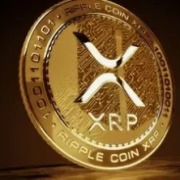
XRP is one of the most talked-about cryptocurrencies in the market. For years, it was stuck in a long legal fight with the U.S. Securities and Exchange Commission (SEC). This case created a lot of doubt, with many investors unsure whether XRP had a future. Now that the lawsuit is over, XRP is back in the spotlight.


Now, https://cryptomarketnews.com.au/price/xrp/  is moving in a narrow range and facing a big challenge at the $3.30 mark. Investors are monitoring closely to see if it can break this level and move higher. The outcome will depend on a mix of things, which includes clearer rules from regulators, growing interest from big financial institutions, and how the overall crypto market performs. 


In this article, we’ll examine the signs that focus on XRP’s potential breakout, the hurdles it still faces, and what investors should watch as the next chapter in Ripple’s story unfolds.

Background: The Ripple-SEC Lawsuit

Back in December 2020, the U.S. Securities and Exchange Commission (SEC) filed a case against Ripple Labs, the company behind XRP. The SEC claimed that Ripple had raised more than $1.3 billion by selling XRP as an “unregistered security”. Simply, the SEC argues that Ripple treated XRP coin like shares of stock without following the rules.


This case dragged on for years, and it became one of the biggest legal battles in the history of crypto. Important moments included the release of the so-called “Hinman emails”, which showed earlier SEC officials providing mixed signals about how digital assets must be classified. Another important point was the court’s decision to separate the XRP’s sales. Institutional sales to big investors were considered securities; however, retail sales to the public on exchanges weren’t. This was a huge win for Ripple and XRP coin holders.


Finally, in August 2025, Ripple settled with the SEC. The company agreed to pay a $125 million fine and accepted some limits on institutional sales, but XRP itself was not banned. The case ended with Ripple gaining more clarity, setting an important precedent for how cryptocurrencies are judged in the U.S.

How the Lawsuit Strengthen XRP’s Narrative in the How Didet?

While the SEC lawsuit created years of uncertainty, it also ended up giving XRP a stronger story in the long run. Here’s why. 


First, the court’s ruling made it clear that XRP, when traded on public exchanges, is not a security. This was huge because it meant everyday investors could buy and sell XRP without fearing it would suddenly be removed from exchanges. The decision also gave the crypto market a kind of “roadmap” for how courts might treat other tokens in the future.


Secondly, the case brought the XRP community together. Supporters of Ripple, often called the “XRP Army”, became more vocal, filing affidavits and showing strong public support during the trial. This community backing helped keep XRP relevant, even when it was delisted from several U.S. exchanges for a time. 


Third, the lawsuit highlighted an important distinction: not all sales are the same. Institutional sales, where Ripple sold XRP directly to large investors, were judged differently from retail sales to the public. This nuance gave companies and regulators a clearer idea of how to separate legitimate token sales from securities offerings.


Finally, the end of this lawsuit built trust with institutions. Banks and financial firms had hesitated to work with Ripple because of the case. Now, when it has been resolved, they can explore partnerships without as much legal risk. This is already showing up in Ripple’s moves into stablecoins and tokenised finance, where big names like Franklin Templeton and DBS Bank are getting involved.


The lawsuit tested XRP, but it also gave it a stronger foundation and renewed credibility.

XRP Price Dynamics: Resistance, Support & Technical Indicators

With the lawsuit finally left behind, many investors expected XRP’s price to skyrocket. However, so far this hasn’t been that simple. Right now, the XRP coin is trading in a tight range, with one big barrier standing in the way: the $3.30 resistance level. Every time the price gets close to this mark, sellers step in, and the rally loses steam. Until XRP breaks through this wall, it’s hard for XRP to move into a new growth phase.


On the flip side, there are also strong support levels keeping XRP from falling too far. Analysts point to the $2.70–$2.80 range as an important area where buyers return to the market. If the XRP token drops below this zone, it could signal more downside pressure. But as long as support holds, XRP is considered stable in the short term.


Technical indicators give a mixed picture. For instance, XRP has struggled to stay above its 50-day moving average, which investors usually view as a sign of momentum. Trading volumes have also been uneven, showing that investor interest rises and falls quickly depending on news. Similarly, the Relative Strength Index (RSI) shows that XRP coin isn’t in overbought territory, meaning there’s still a chance for upward movement if demand increases.


XRP’s price chart is at a turning point. Breaking resistance at $3.30 could open the door to higher levels, but failure to sustain support might cause a setback. Before making their next significant move, traders are currently awaiting a clear signal.

Institutional Deals, Adoption & Use Cases

One of the biggest positives for XRP after the lawsuit is that banks and financial companies are now more open to partnering with Ripple. Financial companies can now explore partnerships with less risk, and this has already begun.


This month, DBS Group has teamed up with Franklin Templeton and Ripple to provide trading and lending services using tokenised money market funds and Ripple’s U.S. dollar stablecoin. These transactions are significant because they introduce XRP’s technology outside of the cryptocurrency market and into actual finance. When banks and big firms use Ripple’s network, it adds credibility and shows that blockchain can provide solutions to real problems, such as global payments and quicker settlements.


Another major use case is Ripple’s RLUSD stablecoin, which is designed to run on the XRP Ledger. Stablecoins are growing in demand because they combine the benefits of digital money with less price volatility. Through linking stablecoins and tokenised assets to its system, Ripple increases the utility of the XRP coin in the financial world.


Simply, partnerships like these mean XRP is no longer just a speculative coin. It’s part of a bigger plan to modernise payments and finance, with institutions finally willing to get on board.

Risk And Challenges

With risks and lawsuits settled and new collaborations forming, XRP still faces some challenges that investors should keep in mind.


The first is regulation. While Ripple got clarity in the U.S., rules for crypto are still being developed worldwide. Governments in Europe, Asia, and other regions may set new standards that could affect how XRP is used or traded. Any sudden changes in law can shake investor confidence.


The second risk factor is market competition. XRP is not the only crypto which is targeting payments and finance. Coins like Stellar and even newer blockchain networks are competing for the same space. If these alternatives attract more, XRP might lose a few of its advantages.


Another risk factor is market volatility. Just like most cryptocurrencies, XRP can fluctuate in price. News headlines, Bitcoin’s performance, or worldwide events often cause sudden rises and declines. This makes the XRP coin both exciting and risky for the investors. 


Lastly, technology adoption does take time. Although Ripple has partnered with big banks, turning those partnerships into large-scale ones is a slow process. If adoption doesn’t expand as rapidly as it was expected, it could limit the coin’s momentum.


In short, XRP has potential, but it’s not without hurdles. 

What’s Next for XRP?

With the lawsuit chapter mostly behind it, XRP is looking at a fresh start. The crypto community is now focused on what the future holds, and most of it largely depends on how Ripple expands its network.


One big opportunity XRP coin has is in international payments. Ripple’s objective has always been to make international transactions quicker and cheaper. If more banks and financial companies go for Ripple’s technology, demand for XRP could rise.


Another area is the tokenisation of assets. Ripple has indicated at using its platform for things like tokenised real estate or bonds. If Ripple succeeds, this will bring new use cases for XRP beyond just payments.


Nevertheless, the future also depends on the crypto market cycle. If Bitcoin and other big players of the market continue to rally, XRP could ride that wave. On the flip side, another downturn could slow progress.


Overall, the XRP coin stands at an interesting point. It has survived legal battles and kept strong partnerships. Now, its challenge is to turn this resilience into growth and real-world adoption.

Marchand Scores Winner, Panthers Hold Off Flyers in Sunrise

SUNRISE, Fla. — Brad Marchand scored the game-winner early in the third period as the Florida Panthers defeated the Philadelphia Flyers 2-1 on Thursday night at Amerant Bank Arena.


Anton Lundell also scored for the Panthers and Sergei Bobrovsky had 19 saves in his second win of the season.


The Panthers improved to 2-0-0 on the year with the win.


After a scoreless opening period, Anton Lundell broke the deadlock 5:29 into the second with his first goal of the season.


With Florida on the power play, Evan Rodrigues squeezed a pass — off the rush — to Lundell in the slot, who fired a shot past Dan Vladar’s blocker to put the Panthers up 1-0.


Midway through the second, Panthers defenseman Dimitri Kulikov was injured after attempting to make a hit along the board. Kulikov immediately clutched his left wrist after colliding with the boards. He left the ice mid-play and went directly down the tunnel. He would not return to the game.


Outmatched for most of the opening 40 of the game, the Flyers finally had a bounce go their way late in the second period to tie the game at 1-1.


As a result of Bobrovsky struggling to cleanly corral a loose puck, Noah Cates was able to get just enough of his stick on the puck to chip the puck over Florida’s goalie with 2:12 left in the middle frame.


After going to the intermission tied at one a piece, Brad Marchand didn’t waste any time to retake Florida’s lead when the third period got underway.


From the point, Marchand labeled a shot up and over Vladar’s glove 2:19 into the final period of regulation to put the Panthers up 2-1.

Can InterMiami Find Its Stride Soon?

It has been just over two years since a game-changing summer transfer window for Inter Miami, which saw promising young talents like Diego Gómez, Tomás Avilés and Facundo Farías join the club. It also saw Gerardo Martino replace Phil Neville as manager, in addition to eight-time Ballon d’Or winner Lionel Messi arriving on a free transfer alongside his former Barcelona teammates Sergio Busquets and Jordi Alba. Together, these changes would conspire for Miami to go from one of the worst teams in the league to winning the first-ever edition of the expanded Leagues Cup, as well as reaching the U.S. Open Cup Final. The following year, meanwhile, would see Miami finish with the best regular season record in MLS history, winning the Supporters’ Shield with a whopping 74 points.


Today, however, Miami find themselves at risk of suffering their first trophyless season since 2022. Miami lost to Seattle Sounders in the Leagues Cup Final as well as eventual runners-up Vancouver Whitecaps in the CONCACAF Champions Cup semifinals. And whilst they found themselves on pace to win their second-straight Supporters’ Shield, these hopes evaporated following a 1-1 draw at Toronto and a 5-3 home defeat to Chicago. Whilst Miami would bounce back with a 4-1 win vs. New England, it was too little too late as Philadelphia claimed their second Shield in club history. It means, that if they are to avoid a trophyless campaign, they’ll need to win their first-ever MLS Cup.


Although Miami have gone deep in multiple competitions this season, it’s fair to say that Javier Mascherano hasn’t quite managed to build up credit in the bank in his first-ever season of senior management. The Herons currently sit third in the Eastern Conference (fifth overall), three points above Charlotte and New York City FC, and three behind second-placed Cincinnati, with a game in hand on all of those sides. Miami will be looking to make it 10 home wins in 11 matches on Saturday, having beaten D.C. United and Seattle last month, and face off against Atlanta United.


Last season, Miami finished with the best regular season record in MLS history only to come undone against Atlanta in the first round of the playoffs, and they’ll be looking to achieve vengeance against an Atlanta side that is well out of playoff range, having taken one point from their last four. Next up, it’s a regular season finale at Nashville, who are playoff-bound and are fresh off winning their first-ever trophy after beating Austin FC in the U.S. Open Cup Final.

This isn’t an unfamiliar situation for Miami. Just four months ago, Miami went into the 2025 FIFA Club World Cup as one of the least fancied teams in the tournament alongside Auckland City and Urawa Red Diamonds. But despite these low expectations, Miami would end up beating the odds by drawing to Al Ahly and Palmeiras and beating Porto, before losing to Paris Saint-Germain in the Round of 16. Unless they can rekindle a similar turnaround in the playoffs, hen Mascherano could very well be entering his final weeks as Miami manager.

Panthers Raise 2025 Stanley Cup Banner, Defeat Blackhawks on Opening Night

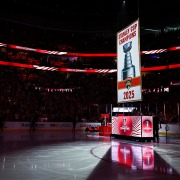
SUNRISE, Fla. — Aaron Ekblad took the ice, Stanley Cup hoisted above his head,  for one final time on Tuesday. In place of injured captain Aleksander Barkov, Ekblad, Florida’s alternate captain and second longest tenured player, placed the Cup on a pedestal in front of where the team’s 2025 Stanley Cup championship banner was to be unveiled.


“That’s obviously Barky’s spot,” Ekblad said about bringing the Cup out. “I was just filling in, but it feels incredible coming out in front of our fans and be able to hoist it one more time, but we’re trying to put that feeling behind us and move on to playing hockey this year.”


“I’m glad that he got a little recognition for how important he is to our franchise,” Paul Maurice said when speaking about Ekblad’s moment.


Standing shoulder to shoulder, the back-to-back champions took one last moment — while the banner raised behind the Cup — to reflect on their triumphs from the previous season.


“I appreciated the guys kind of locked arms at the blue line,” Maurice said. “It was a really nice 24 hours for us (Panthers held their ring ceremony on Monday)… the last 24 hours we got to relieve [the win] a little bit.”


With the pre-game ceremonies out of the way, it was time for the Cup to return to the Hockey Hall of Fame and the 2025-2026 season to get underway.


The Panthers started the season off on the right foot, defeating the Chicago Blackhawks 3-2 at home in front of a sell-out crowd of 19,655.


Jesper Boqvist had the game-winning goal and goaltender Sergei Bobrovsky had 18 saves in the victory.


Blackhawks forward Frank Nazar scored the first goal of the 2025-26 NHL season. The 21-year-old broke free on a breakaway before placing a shot low-glove to beat Bobrovsky 10:03 into the first period.


Chicago’s lead would only last 63 seconds thanks to AJ Greer and Florida’s fourth-line. Jonah Gadjovich slipped a backhand pass to a net-front Greer, who fired a shot past his former teammate Spencer Knight — who returned to Sunrise for the first time since being traded for Seth Jones last March.


Three minutes after Greer’s equalizer, Florida took their first lead of the season after Carter Verhaeghe beat Knight from near the goal-line to put the Panthers up 2-1.


Teuvo Teravainen leveled things once again 1:09 into the second period after firing a one-timer off the rush past Bobrovsky to tie the game at 2-2.


After nearly thirty minutes of no scoring, the Panthers retook the lead with 10:20 to play in regulation.


Mackie Samoskevich flew down the wing to beat Blackhawks defenseman Connor Murphy to a loose puck, then chopped a backhand pass towards the front of goal. With the puck in the air, Jesper Boqvist put forth his best Vladimir Guerrero Jr. impression by batting the puck in from mid-air to give Florida a 3-2 lead.


”I saw [Boqvist] on the backside there,” Samoskevich said when talking about the lead up to the game-winning goal. “We were just buzzing down the side so I thought ‘just get it over to him’. Obviously [it wasn’t] the greatest pass but kudos to him for putting it in.”

Week 5 Futures: How This Week Could Shift Season-Long Odds

Week 5 may feel early, but it already has teeth. Teams that outpace or underperform relative to futures odds force the market to take notice. The following 72 hours of games can set off ripples all the way into February. 

Let’s dig into how Week 5 might move the season board, what patterns matter, and where value might emerge.

Futures Baseline Entering Week 5

As of early October 2025, ESPN lists the Buffalo Bills as the favorites to win the Super Bowl at +425. The next tier includes Philadelphia at +550, Green Bay at +700, Detroit at +800, and Kansas City at +900. Baltimore follows at +1100, a step below but still firmly in the contender pool.

On the conference and division fronts, the Eagles are +300 to win the NFC, and Buffalo is a heavy favorite in the AFC East per ESPN’s futures listings. For anyone tracking these shifts week to week, following  NFL betting lines and spreads is one of the most effective ways to see how public action and oddsmakers adjust to these results. These baseline odds reflect not only performance but also perception, and Week 5 surprises may force recalibration.

Games With Leverage This Week

One of the marquee matchups is Bills vs. Patriots. Buffalo is listed as an 8.5-point favorite in some markets as of Oct 1. A dominant outing could push their Super Bowl odds shorter and challenge bets on other contenders.

Another game to watch is the Texans vs. the Ravens. Early in the week, the Texans were -1.5 favorites over Baltimore (after opening with Baltimore as a 3.5-point favorite) in some sportsbooks. The shift was primarily driven by news that Lamar Jackson might miss the game. A win by Houston, or a strong showing by Baltimore sans Jackson, could pressure futures in the AFC.

On Thursday night, the Rams host the 49ers, with Los Angeles favored by around 7 points in some odds boards and a total of nearly 46.5. If the Rams dominate, their path to a deeper run may look more real. If San Francisco outplays expectations, their futures might quietly shorten.

Recalibration Risks for “Favorites”

Baltimore arriving at 1–3 (or similarly poor early record) would force serious scrutiny, especially with uncertainty at quarterback. That scenario already seems active given Jackson’s possible absence in Week 5. A poor result may push bettors to reassess their role as the early title favorite.

Detroit is another name under the microscope. Their futures are already in the mix among the top contenders. A falter in Week 5 could cost them momentum and shrink room for aggressive bets. Books tend to be quick to trim prices on teams that stumble while holding high public exposure, and Detroit fits that profile. Any slip could open the door for rivals in their conference to jump a tier on futures boards.

Teams like the Chargers or Colts come in with lower expectations. They may not leap into title contention this week, but a strong showing could reframe them as dark-horse options worth watching.

Where Value Might Appear After Week 5

Value shows up when the market overreacts. If Buffalo blows out New England, their price can get too short. That can open better numbers in Baltimore or Detroit. If Baltimore wins even with doubts swirling, the board may hold firmer than expected.

Mid-tier teams, such as Kansas City or Green Bay, can benefit if they post big wins while favorites stumble. Moreover, margin matters. Blowouts and collapses move futures faster than close games. Spot the overshoots when oddsmakers react to extremes. That is where the best numbers tend to appear.

This Week’s NFL Matchups on FanDuel has all the live updates, quick analysis, scores, player stats, and other timely notes so it’s best to check them out. It keeps the context tight before futures adjust. They might not jump to the top in one night, but the margin for value can shift.

Market Signals to Watch

Post-Week 5, movement is more telling than absolute lines. In many cases, if you see a futures line drop by a few ticks overnight, it indicates significant betting interest influencing the market.

Ticketing patterns are also key. If a lesser team suddenly draws large bet volume, oddsmakers may shorten odds preemptively to hedge.

Also, check alignment between futures and game lines. A win over a divisional rival (or a direct futures competitor) can move division and conference odds harder than national lines.

Volume spikes across multiple sportsbooks are another signal to watch, since they often precede headlines or breaking narratives. Sharp bettors usually react before the public, so early shifts can reveal where respected money is leaning. Correlation between spreads, totals, and futures odds also matters. When all three move in the same direction, the market is sending a clear message.

Read the Board, Strike Precise

Week 5 is the last friendly window before the market tightens. Implied probabilities start to harden after this slate as sample sizes finally look real. If your numbers show a mismatch, take the price and let the closing movement work for you. If the edge is thin, pass and keep ammo for a better mark.

How Baccarat’s Strategy Mirrors Sports Tactics

Sports are built on more than raw athleticism. Fans know that the smartest teams often win because they read the game, manage energy, and anticipate what’s next. The same holds true in other competitive spaces, including online baccarat. Both arenas revolve around decision-making when the outcome is uncertain, and both reward those who balance patience with bold action.

In 2025, baccarat platforms are evolving fast, with rankings now showing which sites offer fair play and smooth experiences. Exploring these platforms, such as those highlighted under บาคาร่าเว็บตรง, gives us a clear view of how strategy plays out in real time. It also offers surprising lessons for sports fans who follow how teams and players handle pressure.

Reading the Field and the Table

Athletes know that every game has a rhythm. Basketball teams ride hot streaks, football clubs adjust to shifts in possession, and tennis players lean on momentum swings to seize control. Baccarat players face a similar challenge. They must recognize patterns in wins and losses, while also knowing that luck always has the final say.

Both sports teams and baccarat players benefit from reading the field—or the table—before making a move. Coaches study stats and film, while players at the table observe how the shoe unfolds. Success comes from being ready to act when the opportunity aligns with the odds.

Managing Probabilities Under Pressure

No matter the sport, every coach and athlete lives with probabilities. Should a quarterback risk a long throw on third down? Should a striker take a shot from distance? These are calculated risks. The same mindset applies in baccarat.

Players don’t just bet randomly. They think about odds, house edge, and the flow of the game. This isn’t about perfect math but about recognizing when the numbers suggest a better chance. Athletes and baccarat players alike often act on probabilities that never guarantee success but can tilt the outcome in their favor.

Anticipating Opponent Moves

In team sports, anticipation is everything. Defenders predict where the ball will go. Coaches design plays to counter rival strategies. In baccarat, while there isn’t a human opponent in the traditional sense, players are still anticipating. They try to read when the banker or player hand is statistically more likely to win.

The shared lesson here is foresight. Both athletes and card players practice looking one step ahead. That habit doesn’t just increase chances of winning; it sharpens focus and minimizes mistakes that come from impulse.

The Role of Momentum

Momentum in sports can change everything. A single three-pointer in basketball can ignite a comeback. A late goal can deflate an opponent. The crowd feels it, the players feel it, and suddenly the energy shifts. Baccarat mirrors this through streaks.

Players often track streaks of banker or player wins, adjusting bets based on perceived momentum. While no streak is guaranteed, the emotional high of riding one feels familiar to fans watching their favorite team catch fire. The lesson is that momentum is both real and psychological. Believing in it can fuel confidence, but leaning on it blindly can also lead to reckless decisions.

Strategy vs. Instinct

Sports constantly balance strategy with instinct. A coach may design a play, but a star athlete might improvise in the moment. Similarly, baccarat players weigh system betting strategies against gut feelings. Some stick to a plan, others trust their instincts when odds look favorable.

What ties both together is adaptability. The best performers are those who can shift between analysis and instinct without losing their cool. That blend keeps competitors from becoming predictable and allows them to thrive under uncertainty.


Lessons Sports Can Borrow from Baccarat

While baccarat may seem like pure chance, the way platforms highlight fairness and transparency in 2025 shows how structured the game can be. Sports teams can take notes in areas like:

  • Data presentation: Baccarat sites rank themselves based on odds and fairness. Sports leagues could present clearer metrics on officiating or scheduling fairness.

  • Managing streaks: Just as players ride or resist streaks, teams should know when to push momentum and when to reset their pace.

The overlap proves that games of chance and games of skill both reward focus, discipline, and the ability to think beyond the immediate play.

Why This Comparison Matters for Fans

For sports fans, exploring these parallels deepens the appreciation of what’s happening on the field. It shows that strategy is not confined to playbooks. Even in games of luck like baccarat, patterns emerge, and decisions carry weight.

Fans who follow odds in betting markets will recognize the crossover even more. Just as online baccarat platforms use rankings to promote trust, sports fans can rely on analytics and transparency to guide smarter choices, whether cheering from the stands or considering a wager.

Conclusion

At first glance, baccarat and sports seem worlds apart. But when you strip them down, both are about navigating risk, harnessing momentum, and making decisions with limited information. Whether you’re tracking your favorite team or watching a baccarat table unfold, the thrill lies in seeing how strategy and chance intertwine.

Sports will always thrive on skill and competition, but the lessons from baccarat remind us that every game also depends on how well players manage the unknown.

Marlins in San Francisco

Miami Sports and Sports Betting: The New Reality

Miami sports fans have always been passionate. We cheer for the Heat, the Dolphins, the Marlins, and the Panthers like family. But lately, there’s a new twist – sports betting is weaving into how we watch games, talk about them, and even plan our weekends.

Here’s what’s happening. Betting is no longer a fringe thing. It’s part of the mainstream. You can bet on your phone in seconds with platforms like Betway. Some fans catch a game at a bar and place a bet at the same time. And others explore options like betting Tanzania in unexpected corners of the web. This shift is quiet but wide-reaching. It matters because it changes how fans interact with every pass, pitch, and point.

So here’s what I found.

First, a study from Florida Atlantic University says online sports betting likely raises fan interest across the state. Dan Cornely, a sport management expert at FAU, explains that an app like Hard Rock Bet helped create buzz, not just for big teams but smaller ones too. People might bet on a team they’ve never heard of. That nudges them to learn new players, strategies, or game formats. It could even draw more tourists who want to place bets and catch live games here.

Second, there’s a flip side we can’t ignore. Studies show that about 1 to 2 percent of adults nationwide struggle with problem gambling, and Florida is no exception. And they link that rise to the ease of online betting. That number might sound small, but when it’s people you know, it hits close to home.

These two examples show the dual reality of sports betting in Miami. On one hand, it can spark new interest and engagement. On the other, it can pull people into unhealthy habits, especially when ads are everywhere. One recent study by the University of Bristol backs this up. It found that during the NHL Stanley Cup Finals, fans saw a gambling-related ad nearly every 13 seconds

Here’s the thing. Miami’s always cared about sports. Betting just adds another layer.

Maybe your cousin just started caring about the Heat because they bet on a specific spread. Or a friend is suddenly into baseball stats because they wanted to guess a game outcome. That extra nudge can make watching more fun. But it’s also easy to get carried away. Keep an eye on it.

People bet more during high-profile matches or close games. That’s built into the design. It’s not always shady, but it can feel like losing control when the bets flow faster than emotions do.

That’s where Miami needs balance. Fans, teams, and regulators should be paying attention to how betting becomes part of the culture. Because it already is. Sports culture in this city isn’t just jerseys and cheers. It’s numbers, odds, and timetables now too.

Here’s what I’d suggest:

  • Fans, watch how betting changes your game habits. Are you rooting harder? Staying longer? Or slipping into bet-chasing?
  • Teams and venues, be real about how much betting influences attendance, viewership, and fan chatter.
  • Regulators, keep pushing tools like self-exclusion, spending limits, and ad limits—so people can enjoy games without harmful overreach.

We’re seeing this new reality unfold in real time. For better or worse, betting has become part of the Miami sports story. And that’s why it matters.