Just as I called for in the pregame, run the ball.
The Miami Dolphins did exactly that, racing out to a 21-0 lead and never looking back. Their first quarter was as close to perfect as it gets: three drives, three touchdowns, 96 rushing yards, 103 passing yards, and a defensive interception. It was the kind of opening script Miami has been searching for all season.
After that explosive start, the offense cooled off, but Miami’s defense stepped up and carried the load. An early injury to Tyrod Taylor forced the Jets to turn to Brady Cook, and the Dolphins took full advantage. Miami’s defense racked up six sacks, three interceptions, and a fumble recovery, playing the kind of physical, winter-ready football that wins late in the year. Tough defense, clock control, and dominance on the ground.
Offensively, the brightest spot was the run game. Miami piled up 241 rushing yards, averaged 6.2 yards per carry, and scored three touchdowns, one from each back. De’Von Achane left early after putting up 92 yards and a score on only seven carries, and he had no reason to return with the ground game rolling.
Jaylen Wright, a healthy scratch for much of the season, delivered his best performance as a pro with 24 carries for 107 yards and a touchdown. His effort helped Miami grind out the second half even when the offense began to sputter.
A major reason for the breakthrough was the growing cohesiveness of the offensive line and the rapid development of Jonah Savaiinaea, whose emergence has become a significant factor in Miami’s success on the ground.
Defensively, Rasul Douglas continued his outstanding stretch and has proven to be Miami’s best offseason addition. Zach Sieler also turned in his best outing of the year, recording 2.5 sacks and consistently disrupting the Jets protection.
Most importantly, this win showed that the team has not quit on Mike McDaniel and that Miami remains alive in the AFC playoff race.
Although Tua Tagovailoa still has not played to the level of a franchise quarterback, McDaniel has adjusted by leaning into what works and returning to his roots with a run-focused offense.
Miami’s next challenge is a critical Monday night road matchup against the Pittsburgh Steelers, a game that carries major playoff implications.
The Dolphins will need more from Tua down the stretch, but they should not shy away from the identity that is currently carrying them. Run the ball, set the tone physically, and let a surging defense finish the job.
https://www.fivereasonssports.com/wp-content/uploads/waddell-scores.jpg6331000Austin Dobbinshttps://www.fivereasonssports.com/wp-content/uploads/FiveReasonsWebsiteLogo.svgAustin Dobbins2025-12-07 16:12:502025-12-07 16:12:50Run Dolphins Run: Miami Dominates Jets to Move to Six and Seven
Many viewers aim for smooth, comfortable, and fully engaging sports sessions without leaving their living spaces. An upgraded setup can bring stadium-like energy into a living room, turning every match into a richer and more satisfying experience.
With the right methods, watching a game from home can feel polished, streamlined, and deeply immersive. The sections that follow outline approaches that elevate picture quality, seating comfort, audio clarity, social interaction, and convenience, giving viewers a stronger sense of presence during every broadcast.
Optimized Screen Setup
A clear and expansive display shapes the entire viewing experience, allowing fast action, quick transitions, and detailed movement to stay sharp and easy to follow. Larger screens deliver a stronger sense of scale, though placement creates as much impact as size. The correct distance between viewers and the screen makes long sessions comfortable, preventing eye strain during intense plays.
Higher refresh rates keep motion smooth, reducing blurring during rapid sequences. Proper alignment with seating positions avoids awkward angles, ensuring that every person in the room maintains a clean view of the field or court. A dedicated mount or stand prevents wobbling or reflections, giving the display a stable and visually consistent presence.
Elements That Add Depth to the Viewing Atmosphere
A sports session at home gains more character when certain small details shape the mood and comfort of the space. Many viewers like to adjust lighting, décor, and seating so the room feels inviting, and gummy edibles fit naturally into relaxed gatherings during long matches. Soft backlighting around the screen reduces strain and keeps focus steady during rapid plays.
Fresh snacks, cozy blankets, and well-organized remotes keep interruptions low, letting everyone stay engaged from start to finish. Subtle background music before kickoff sets the tone, giving the event a smoother build-up. These touches create a welcoming environment that supports extended viewing with friends or family.
Upgraded Audio Systems
Clear sound elevates atmosphere in a way visuals cannot match on their own. A well-balanced audio arrangement transforms commentary, crowd reactions, and game cues into a lifelike soundscape. Dialogue clarity helps viewers hear analysis without raising the volume excessively, while subwoofers give depth to dramatic moments such as goals, touchdowns, or race starts.
Surround setups create directionality, letting viewers feel movement from one side of the room to the other. Strategic placement prevents muddiness by keeping speakers away from corners or obstructed areas. Wireless options add flexibility for viewers who adjust their furniture regularly or watch games in multi-purpose rooms.
Comfort-Focused Seating Arrangements
A comfortable seating layout supports long viewing hours, which many big events demand. Sofas with supportive cushions, recliners that assist posture, and modular seating all contribute to a relaxed atmosphere. Adjustable furniture helps groups of different ages settle in without discomfort.
Armrests, cup holders, and blankets keep the area convenient for snacks or drinks during tense match moments. The angle of each seat matters, allowing every person an unobstructed view without leaning forward repeatedly. Good airflow and soft lighting help maintain alertness during long tournaments or late-night broadcasts.
Smart Home Integration
Smart features bring new levels of convenience without requiring complicated systems. Voice assistants can control volume, switch channels, or dim lights during pre-game buildup. Timers and reminders help viewers catch kickoff times without missing crucial moments.
Automating blinds or curtains maintains screen clarity by reducing glare. Remote controls through smartphones deliver quick adjustments from anywhere in the room.
Multi-room audio systems let viewers step away briefly without losing track of commentary. These integrated systems support a smooth, uninterrupted flow from pre-show content through post-game analysis.
Reliable Streaming and Connectivity
A stable connection prevents buffering, lag, or unexpected pauses that disrupt key plays. High-bandwidth plans support ultra-high-definition broadcasts and allow several devices to run simultaneously without interfering with game quality. Quality routers with strong signal coverage keep performance consistent, even in larger homes.
Ethernet connections supply dependable speed for viewers who want the most stable link possible. Regular updates to streaming devices, apps, and smart TVs keep platforms running efficiently, minimizing glitches. Recording features help capture replays or moments viewers miss during breaks, adding flexibility to the entire experience.
A thoughtful approach to home viewing makes every match smoother, more comfortable, and far more engaging. Clear visuals, balanced sound, convenient smart features, and reliable streaming work together to create a polished atmosphere that keeps attention on the game.
Seating comfort and social elements add warmth and connection, turning ordinary broadcasts into memorable shared moments. With these methods in place, watching sports at home becomes an experience marked by clarity, excitement, and ease, offering viewers a setting that supports long sessions and lively reactions from kickoff to the final whistle.
https://www.fivereasonssports.com/wp-content/uploads/Screenshot_8-12-2025_10140_docs.google.com_.jpeg426694Ethan Skolnickhttps://www.fivereasonssports.com/wp-content/uploads/FiveReasonsWebsiteLogo.svgEthan Skolnick2025-12-07 11:59:082025-12-08 10:02:39Methods That Improve the Ease of Watching Sports at Home
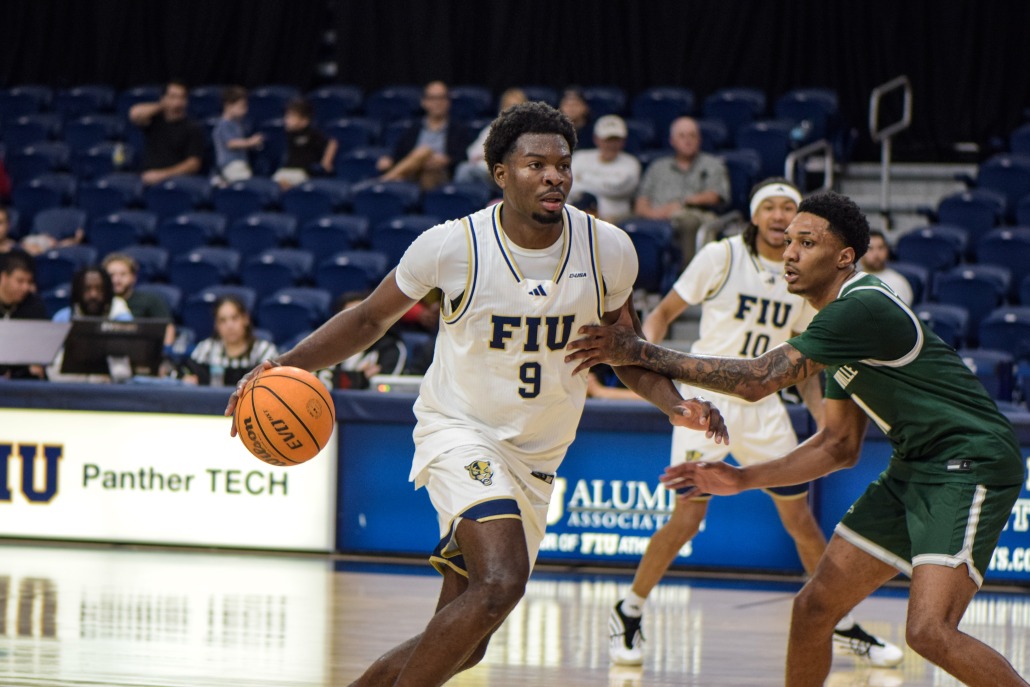
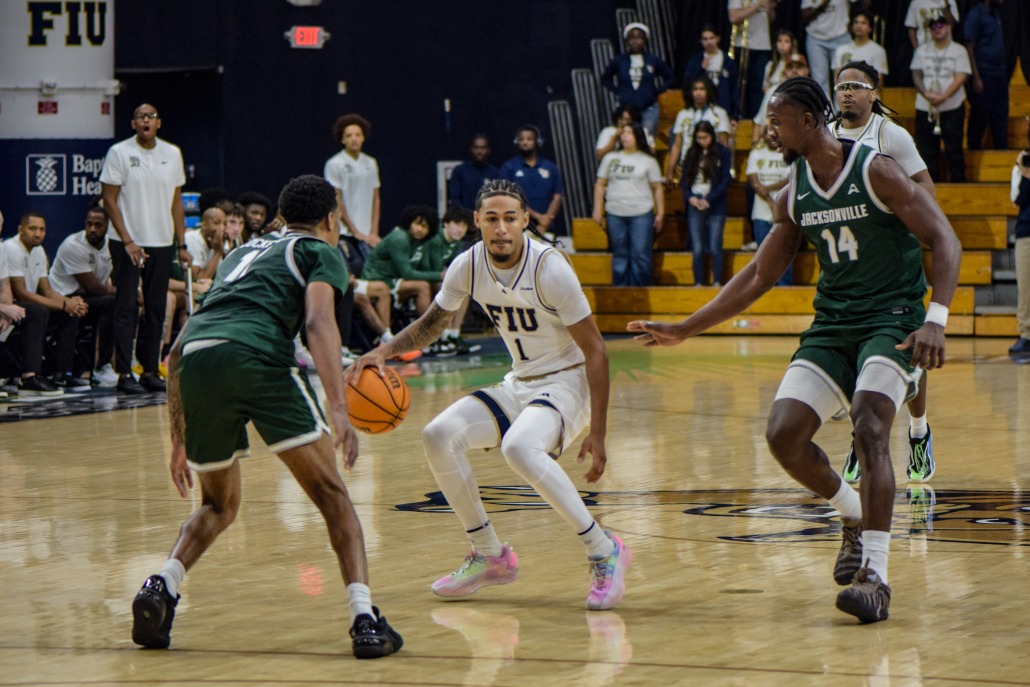
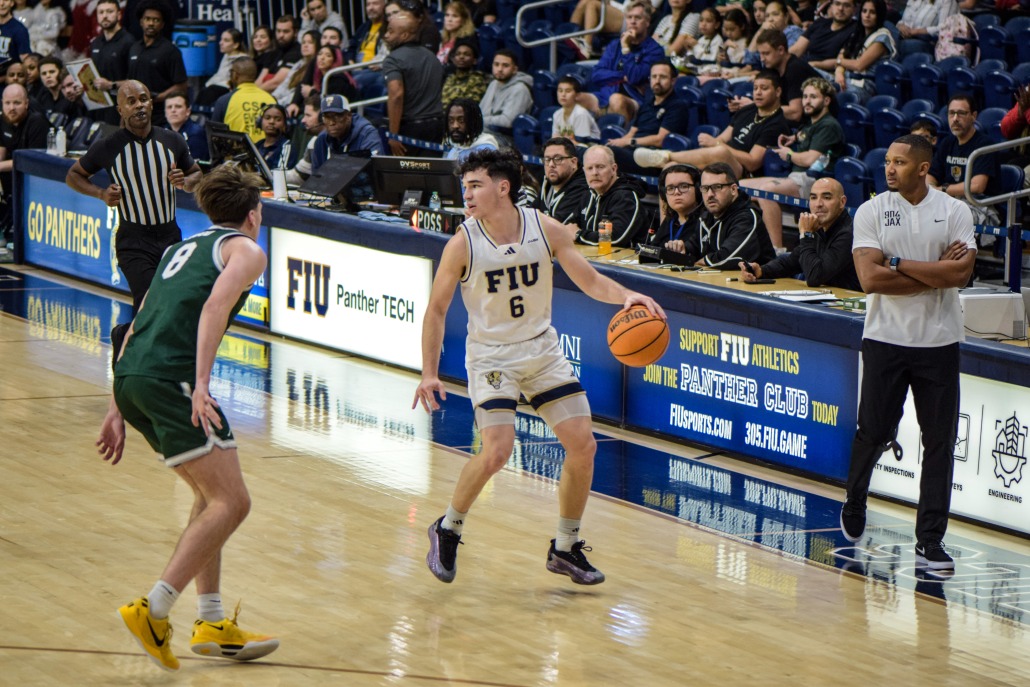
Corey Stephenson and Eric Dibami each scored 14 points to lead Florida International to an overwhelming 88-65 home win over Jacksonville on Saturday.
From the free throw line to the three-point line, the Panthers were proficient. FIU made 11-of-16 three-pointers and was 23-of-30 from the charity stripe. Brit Harris made all 12 of his points from beyond the arc, while Julian Mackey scored 11 points with nine coming from long distance.
Jacksonville, a team that tries to win from long distance, made 12 of 33 three-point shots, led by Chris Lockett Jr., who scored a team-high 15 on 5-of-15 shooting including 4-of-9 from three.
A three-pointer from Jacksonville’s Hayden Wood tied the game 9-9 five minutes into the game. The Panthers went on to outscore the Dolphins 26-5 in a 10-minute run to establish a 35-14 lead. A layup from Dibami and a free throw from Allen Udemadu ended the first half with FIU leading 41-23.
The Panthers picked up where they left off and started the second half on a seven-minute 19-7 run, highlighted by a Stephenson dunk and three-pointers from Mackey and Harris, to extend their lead to 30 (60-30) with 13:50 remaining. Ashton Williamson scored all seven of his points during that run.
Lockett drained two straight three-pointers and a free throw to highlight a 10-0 run that brought Jacksonville back to within 20, (60-40) with 12:17 left in the game. That was followed by a 9-0 run by FIU to negate the Dolphins’ gains.
Three three-pointers from Stephenson and Mackey helped maintain the Panthers’ 30+ point margin, leading the Dolphins 78-47 with 6:52 left in the game.
Jacksonville outscored FIU 18-10 through the game’s final minutes. Charles Caporaso was responsible for six of the Dolphins’ final eight points. Those six points represent a career high for the sophomore from St. Mary.
Season Outlook
The Panthers (5-3) have strung together a three-game winning streak leading up to renewing a rivalry road showdown on Dec. 16 with the Miami Hurricanes, who improved to 8-2 after defeating Southern Miss on Saturday.
The Panthers, split the first four games winning against non-NCAA competition at home and falling on the road to LSU and Nebraska, who are both currently 8-0 on the season. Against LSU, Stephenson (25 points) and Mackey (24) combined to keep the Panthers within 17 points against the Tigers.
The senior duo, who played at separate schools a season ago, have come together to power the Panthers’ offense. Stephenson’s 18 points per game is the fifth most in the C-USA, while his 8.3 rebounds rank as the second most in the conference. Meanwhile, Mackey is averaging 13.7 points off the bench, which is similar to his numbers at Houston Christian a year ago.
The Panthers finished last season with 10 wins and in last place in C-USA. FIU completely revamped its roster over the offseason to the point where the top five scorers of this year’s team arrived through the transfer portal and gave the Panthers new life.
FIU is a clear underdog against Miami but Stephenson gives the Panthers a chance in every game.
https://www.fivereasonssports.com/wp-content/uploads/DSC0241.jpeg32534879Tony Capobiancohttps://www.fivereasonssports.com/wp-content/uploads/FiveReasonsWebsiteLogo.svgTony Capobianco2025-12-06 22:25:412025-12-06 22:25:41Stephenson and Dibami shine as Panthers pound Dolphins
In 1972, the Miami Dolphins made history by becoming the first and only NFL team to enjoy a perfect record, before successfully defending their Super Bowl credentials the following year. Miami would have to wait a quarter-century before its next major championship, with the Marlins winning the World Series in 1997 and 2003. The Miami Heat followed in quick pursuit, winning the NBA Finals in 2006, 2012 and 2013, whilst the Florida Panthers claimed the Stanley Cup in 2024 and 2025. And on Saturday, Inter Miami will have a golden opportunity to enter the pantheon of the city’s sporting elite.
Over the past two years, Inter Miami have gone from one of the worst teams in MLS to a dominant powerhouse, winning the 2023 Leagues Cup and the 2024 Supporters’ Shield. They enjoyed the best regular season record in MLS history with 74 points, only to lose to Atlanta United in the first round. This time, however, Miami find themselves just one game away from winning the biggest prize in American soccer.
After winning their last three matches vs. Nashville SC, FC Cincinnati, and New York City FC by a four-goal margin, all signs point to Miami coming away with a fourth straight victory in South Florida. They have veteran stars like Rodrigo De Paul, who has emerged as one of the top box-to-box midfielders in MLS alongside the likes of Kellyn Acosta and Sebastian Berhalter, and Luis Suarez, who is eyeing the latest addition to his stacked trophy cabinet. Above all, though, they have a certain player named Lionel Messi.
The Argentine forward remains one of the best players in world soccer, and he has delivered arguably the finest individual season in MLS history with an astonishing 38 goals and 23 assists in 41 appearances. With the exception of their recent win vs. New York, where he assisted a goal, and their loss to Nashville, where he scored, Messi has racked up 2+ goal contributions in each of his last 8 matches for club and country.
Messi will be going up against a familiar foe in Thomas Muller, who has had the upper hand throughout their respective careers and who has won 7 out of 10 meetings vs. Messi. Considered one of the finest players of his era by journalists like Sid Lowe and Raphael Honigstein, Muller recently surpassed Toni Kroos as the winningest German player of all time after leading Vancouver Whitecaps to the Canadian Championship. And now, he has the chance to lead Vancouver to their first-ever MLS Cup title.
All things considered, tomorrow’s match looks set to be an emotional affair for all those involved. Whilst Miami and Vancouver are both eyeing their maiden MLS Cup, a number of their players have plenty riding on this game. It could very well be Suarez’s final game in a Miami shirt, with the Uruguayan being relegated to the bench by upstart teenager Matteo Silvetti in recent weeks. It will undoubtedly be the final game of Sergio Busquets’ career, with the Spanish midfielder announcing his retirement prior to the postseason. Moreover, it will also be the last match of Jordi Alba’s professional career. Alba has emerged as one of the best fullbacks of all time thanks to his buccaneering runs, his superb crosses, and his marvelous chemistry with Messi.
Will Müller and co. spoil Alba and Busquets’ swan song? Or will Miami come out on top at home? Stay tuned for what promises to be a fascinating MLS Cup Final.
https://www.fivereasonssports.com/wp-content/uploads/Screenshot_6-12-2025_10338_www.bing_.com_.jpeg308479Zach Lowyhttps://www.fivereasonssports.com/wp-content/uploads/FiveReasonsWebsiteLogo.svgZach Lowy2025-12-06 10:33:462025-12-06 10:34:55Inter Miami, Messi Eyeing Greatness in MLS Cup final
The LSU Tigers entered the 2025 season with expectations of reclaiming dominance in the SEC, but the season has unfolded in turmoil. A string of uneven performances and an unexpected coaching change midseason have altered the Tigers’ outlook heading into the final stretch. What once looked like a playoff-chasing year has turned into a fight for stability and statement wins.
Now the focus shifts to how LSU closes out the year under interim leadership. The remaining schedule still offers meaningful matchups that could define the team’s future direction. Here’s a closer look at which games matter most, and why the final weeks of 2025 could reshape the Tigers’ long-term trajectory.
Coaching Change and What It Means for Odds
LSU began the 2025 season under long-time head coach Brian Kelly. Midseason, after a loss to Texas A and M, the program made a bold move and moved on from Kelly. That decision instantly changed how LSU is evaluated because late-season leadership shifts tend to show up in game flow, discipline, and the calls that decide close quarters.
That shakeup has already altered how the market frames LSU’s final stretch. Anyone tracking the week-to-week outlook should look at LSU football odds to see how each new performance is being weighed, especially with an interim staff shaping the plan and managing the margins. Those numbers often signal signs of steadier execution or lingering inconsistency, making them a useful lens before kickoff.
Frank Wilson now leads as interim head coach for the rest of the season, and every remaining snap will be filtered through that reality. Markets tighten when clarity improves and drift when it does not, particularly in late November, when spots punish minor errors. LSU’s finish in 2025 will hinge on clean series, controlled tempo, and making key moments look routine rather than rushed.
Regular Season Finale at Oklahoma Sooners
LSU’s only remaining regular-season game is the trip to Oklahoma on Saturday, November 29, in Norman. The matchup is set for an afternoon kickoff at Gaylord Family Oklahoma Memorial Stadium and will air on ABC. With just a few days remaining, this finale is now the clear headline on LSU’s calendar.
Oklahoma enters with postseason stakes still on the table, so the tempo should feel sharper than a typical late-season spot. The market reflects that urgency, with Oklahoma sitting as the favorite and the spread hovering around 10 points across many boards. For LSU, the number is a snapshot of road consistency and execution, not brand name.
This game also puts the spotlight on details that decide tight matchups, especially early-down success and finishing drives when windows shrink. Oklahoma’s urgency usually squeezes possessions, which raises the value of third-down conversions and clean red-zone work. If LSU wants the 2025 story to end with more clarity than noise, it has to handle that pace and force Oklahoma to play outside its comfort zone.
Trends That Influence Odds
So far in 2025, LSU sits at 7–4 overall and 3–4 in conference play. That record reads like a split screen, with flashes of control mixed with stretches where execution slips at the wrong time. The coaching change also adds another variable that markets tend to price in quickly.
Oddsmakers usually weigh recent form, opponent quality, and where a team’s production is coming from week to week. Latest College Football Matchup Reviews keeps that week-to-week context in view through NCAAF updates, deeper analysis, and live scores, which helps explain why numbers shift late in the year. When the broader signals line up, market confidence tends to show up fast.
With Western Kentucky already in the books, the Oklahoma finale becomes the central reference point for how LSU is rated in this closing window. The key issue is consistency under pressure, especially away from home against a structured opponent that can dictate pace. That is why this last matchup is more than a standard regular-season game, because it doubles as a read on where the program is headed under interim leadership.
What’s at Stake Beyond Wins
For LSU, the remaining matchups are about more than adding a win or two. They matter for credibility. A solid finish, especially with a win over Western Kentucky followed by a competitive showing against Oklahoma, can rebuild trust in the program after the mid-season upheaval.
Recruiting, future scheduling, and team morale may also hinge on how LSU closes out. A strong road game performance may signal stability despite the coaching changes. Meanwhile a poor showing could reinforce doubts about consistency. Either way the final games carry weight beyond the scoreboard.
Sharpened Lens on Outcomes
LSU’s last stretch will decide whether 2025 reads like a rocky transition or a late-season course correction. Western Kentucky is the spot to play clean and set a standard, while the Oklahoma trip is the real measuring stick under a harsh road setting. These final games will shape how the program is viewed heading into the offseason, from staff direction to roster momentum. If LSU finishes sharp and connected, the season closes with clarity instead of loose ends.
https://www.fivereasonssports.com/wp-content/uploads/Screenshot_8-12-2025_95613_www.google.com_.jpeg276474Five Reasonshttps://www.fivereasonssports.com/wp-content/uploads/FiveReasonsWebsiteLogo.svgFive Reasons2025-12-06 09:49:132025-12-08 09:57:13LSU Tigers Odds: Which Remaining Matchups Matter in 2025?
For the kids, it’s a silly funny joke, for the adults, it’s a constant question of “why, what does it even mean?” and for the Dolphins, it’s a goal. A goal to be six and seven, to keep their slim playoff hopes alive.
The Miami Dolphins started the season 2-7, with many gut-wrenching losses, New England, Carolina, and Los Angeles. They were on the wrong side of an embarrassing blowout against the Browns, and they fired their General Manager Chris Grier.
After all that, the Dolphins have battled, beat the Buffalo Bills, and have rallied back to 5-7 and they want more.
McDaniel wants to retain his job as a head coach, Tua wants to find the old version of himself, De’von Achane is chasing Dolphins’ records, Jordyn Brooks NFL records, and the common goal, the playoffs, the longshot dream of a 2-7 team.
But to keep this dream alive Miami has to beat the Jets who are 0-7 against Tua Tagovailoa and look like one of the worst teams in the NFL.
So, while it should be another victory for the Dolphins, they have to stay the course, stay focused, and stick to this gameplan.
Miami’s new Identity: For a long time, I have been calling for Mike McDaniel to go back to his roots. His roots as a run game coordinator. Running the ball enables you to control the clock, set up the pass, and open up many offensive capabilities. Miami’s winning streak has been built on this front, Miami’s jumbo package has been one of the most successful NFL packages, and Miami has run for 197, 169, and 164 yards over the 3-game streak. Continue to run the ball against a Jets team that allows the 25th most rushing yards per game at 131.2 and open up passing lanes that enable Tua to dominate the Jets, just like he always has.
Anthony Weaver has figured it out: Since Week 10, Miami is leading the league in scoring defense. Miami’s defense has been the backbone of their success, giving the offense a chance every game, but there is still room to grow. Miami needs to continue to force turnovers, something the Jets are prone to as they average just over one a game. And Miami needs to contain whoever is at quarterback from extending plays which is where the Jets have been their best, hold containment and don’t let Fields (ruled out) or Taylor get outside the pocket.
Half time Adjustments need to improve: Miami has been an awesome first half team, and then the other team adjusts while Miami doesn’t. We saw it against Carolina, New Orleans, and throughout this whole win streak.
Hussam Patel, put together Miami’s defensive ranks in each half since the start of Miami’s stretch-
“We talk and see more of the Dolphins offense not being consistent in the 2nd half of games, but no one has mentioned how this defense falls off like the Mariana Trench in the 2nd half of games since the win streak.”
Miami in the first half ranks:
1st in Yards/Play
1st in Yards/Rush
1st in 1st Down per Attempt
1st in 3rd Down Conversion Allowed
2nd in EPA/Play
2nd in Rush Success
4th in Overall Success
12th in Pass Success
Miami in the second half ranks:
24th in Rush Success Allowed
27th in EPA/Play
27th in Yards/Rush
30th in Success Rate
30th in Pass Success Allowed
30th in Yards/Play
30th in 1st Down Rush% Allowed
31st in 3rd Down Conversion Allowed
Miami’s offense has seen much of the same struggles and Miami needs to put together a complete game in the Meadowlands to continue their miraculous march to the playoffs and be the Six-Seven Miami Dolphins.
https://www.fivereasonssports.com/wp-content/uploads/Achane.webp234408Austin Dobbinshttps://www.fivereasonssports.com/wp-content/uploads/FiveReasonsWebsiteLogo.svgAustin Dobbins2025-12-05 11:49:562025-12-05 11:52:18The Six-Seven Miami Dolphins: How They Can Keep their Playoff Dreams a Reality
Wednesday’s win at home felt like a freebie for Florida International.
The Panthers made 30-of-35 shots from the free throw line to defeat the Florida Gulf Coast Eagles 89-83. Zawdie Jackson led the Panthers with a game-high 20 points, including 10-of-11 from the charity stripe. Julian Mackey scored six of his 13 points on free throws.
Corey Stephenson scored 18 points on 5-of-7 shooting and a team-high seven rebounds. The senior, who arrived via transfer from Cal-State Bakersfield, is averaging 18 points per game for the Panthers. Brit Harris scored 12 points and both Larry Olayinka and Eric Dibami each added 10 points for FIU.
The Eagles were led by Isaiah Malone, who scored his 16 points the hard way with nearly all dunks. He shot 6-of-9 from the floor and grabbed a game-high 10 rebounds for the game’s only double-double.
FIU shot 17-of-34 (.500) from the floor including 6-of-14 from the three-point line to take a 44-38 halftime lead. The Panthers finished the game shooting 25-of-55 and 9-of-24 from three, but free throws won the day. Both Jackson and Stephenson scored 11 points for the Panthers in the first half, and both made 2-of-3 from three.
Trailing 4-0 in the game’s opening minutes, Stephenson scored nine of the Panthers’ first 15 points to take a four-point lead with 15:03 remaining in the first half. Olayinka dropped five points on a three-pointer and a layup to start a run that led to the Panthers growing their lead by 10, 27-17 with 11:44 left in the first half.
Back-to-back dunks by Malone sparked a 17-6 run to give the Eagles a 34-33 lead with six minutes until halftime. The lead was short-lived however, as FIU finished the first half on an 11-4 run, capped by a three-pointer by Jackson.
It took the Panthers a little over six minutes into the second half to regain a double-digit lead. In the 13-minute mark of the second half, each dunk by Malone was answered by a three-pointer by Harris.
Both teams managed 45 points in the second half. The Panthers led by 10 points (86-76) after a free throw by Mackey with 55 seconds remaining. The Eagles were able to get as close as four points after a three-pointer by Michael Duax with 14 seconds left. A pair of free throws by Mackey iced the game for the Panthers.
FIU (4-3) has now won two straight games and will continue its week of playing local Atlantic Sun rivals with a home matinee against Jacksonville on Saturday.
https://www.fivereasonssports.com/wp-content/uploads/DSC0174.jpeg33134970Tony Capobiancohttps://www.fivereasonssports.com/wp-content/uploads/FiveReasonsWebsiteLogo.svgTony Capobianco2025-12-04 12:26:302025-12-04 12:27:27Free throws push Panthers past Eagles
SUNRISE, Fla. — The Toronto Maple Leafs and Florida Panthers met at Amerant Bank Arena for their usual December regular season matchup on Tuesday night.
Toronto, who entered Thursday’s contest dead last in the Eastern Conference, defeated Florida 4-1.
Joseph Woll stopped 26 of 27 shots faced and the Leafs improved to 12-11-3 on the season.
Sergei Bobrovsky gave up three goals on 29 shots and the Panthers fell to 12-12-1 at the 25 game mark of their campaign.
“Things are not going our way at the moment, but we have a good group of guys” Bobrovsky said. “We have a good team. We have good coaches. So, we believe in each other.”
For the past five years, these sides have been two of the “big dogs” in the Atlantic Division, with the Leafs winning the division title last regular season, while the Panthers took down Toronto in their second-round playoff series last season en route to a second straight Stanley Cup championship.
So it was more than surprising to see these consistent contenders enter Tuesday night’s game at the bottom of the Eastern Conference (Florida 15th place, Toronto last in 16th).
Toronto jumped out to a two-goal lead early in the first period. Troy Stecher scored his first goal of the season, beating Bobrovsky with a wrist shot from the point 5:24 into the game. Dakota Joshua doubled the Leafs’ lead with his fourth goal of the season 7:54 into the first.
The Panthers had their fair share of offensive chances early in the game, but they couldn’t get a puck past Woll, who stopped the first 16 shots he faced.
On the other end of the ice, Florida looked sluggish for the first 35 minutes of Tuesday’s contest.
They were second to the jump on loose pucks. Looked slow on the back-check through the neutral zone. Struggled to set up a solid defensive foundation in their own zone. A third unanswered Toronto goal likely would have set the course for a runaway game for the visitors.
But a penalty from Aaron Ekblad with less than six minutes to play in the second period led to the Panthers getting back into the contest.
While shorthanded for the second time of the evening, Sam Reinhart scored his 14th goal of the season with 5:17 left in the middle frame to cut the deficit to one.
After Reinhart buried his first short-handed goal of the season, Florida woke up.
I liked our first period but you’re down two,” Panthers head coach Paul Maurice said. “I didn’t love our second, [but] great effort by effort by Lundy and Reino to get us back into that.”
In the final five minutes of the second, feet started to move more, the physicality they lacked from the start was all of a sudden there. The ice seemed like it was beginning to tilt — but the final intermission came too soon for the Panthers.
Toronto extended their lead in the third after Scott Laughton scored his first of the season with 7:42 to play in regulation.
John Tavares also scored an empty net goal with nine seconds to play for his 13th of the season.
Toronto have won two straight games and three of their past four. Florida has lost three straight games and four of their past five.
“In these situations just [staying] with it is the most important thing,” Maurice said. But then we got to get better. We got to get some higher-end performances out of guys.
“They’re playing as hard as they can, the puck’s not as friendly as it used to be, there’s tension on the stick. That’s normal and you see that when you lose a few in a row.”
NEXT UP
Florida will be back on home ice Thursday night against the Nashville Predators. The Panthers last win was an 8-3 thrashing over a week ago in Nashville. Puck drop for the rematch will be at 7 p.m. ET.
https://www.fivereasonssports.com/wp-content/uploads/FiveReasonsWebsiteLogo.svg00Alex Baumgartnerhttps://www.fivereasonssports.com/wp-content/uploads/FiveReasonsWebsiteLogo.svgAlex Baumgartner2025-12-02 23:03:372025-12-27 21:01:33Panthers Lose 4-1 to Maple Leafs, Fall to Last Place in Eastern Conference
Devin Vanterpool scored 17 points and grabbed 10 rebounds, but it wasn’t enough as Florida Atlantic came up short by slim margins and fell to Atlantic-10 power St. Bonaventure 70-65 on Sunday in Boca Raton.
Vanterpool shot 6-of-13 from the floor, including 3-of-8 from the three-point line. He also grabbed 10 rebounds for the team’s only double-double. Amar Amkou added 12 points and Kanaan Carlyle chipped in nine points despite shooting 1-of-6 from the three-point line.
The Bonnies were led by Cayden Charles’ 16 points, including a perfect 7-of-7 from the free-throw line. Both Frank Mitchell and Achille Lonati scored 13 points but in different ways. The Italian freshman shot 3-of-4 from beyond the arc to tie his current career high. The Canadian senior scored all of his points at the paint and grabbed a game-high 11 rebounds for a double-double.
The Bonnies established an early 17-9 lead after a pair of Dasonte Bowen layups highlighted an 8-2 run halfway through the first half. Bowen finished with 10 points to round out the Bonnies’ double-digit scorers.
The Owls responded with a 12-4 run and tied the game 21-21 with 6:33 remaining until halftime after Carlyle made his only three-pointer of the game. The Owls shot 3-of-12 from the three-point line during the first half and went into halftime trailing 34-32.
The Bonnies made the same number of field goals as the Owls in the first half, including three-pointers, but with fewer attempts. Their lead stems from the two extra free throws they have made (5-of-6) compared to the Owls (3-of-6).
The Bonnies stormed out of the gate in the second half with seven points to stretch their lead to 41-31, five of which came on a layup and three-pointer by Joe Grahovac.
The Owls continued to claw back and remain within one point of the Bonnies, trailing 48-47 after Amkou made a three-pointer with 13:31 remaining.
A dunk from Devin Williams kept the Owls within three points in the final minute, trailing 68-65. The Owls were unable to get a shot off until Charles made the final two free throws necessary to seal the win for the Bonnies. Vanterpool intentionally missed a free throw for Isaiah Elohim to rebound and give Carlyle some looks from the three-point line before the final buzzer.
The Owls finish the first month of the season 5-3 highlighted by wins over Boston College and Loyola Marymount. Looking to rebound from two straight losses to highly competitive mid-majors, the Owls will travel to Florida Gulf Coast on Sunday, Dec. 7.
https://www.fivereasonssports.com/wp-content/uploads/DSC0007.jpeg34815221Tony Capobiancohttps://www.fivereasonssports.com/wp-content/uploads/FiveReasonsWebsiteLogo.svgTony Capobianco2025-11-30 20:54:172025-11-30 20:54:17Vanterpool’s double-double not enough in Owls’ 70–65 loss to Bonnies
The 2025 college football season ended with a whimper for Florida Atlantic, as the Owls were dominated by the East Carolina Pirates 42-3 on Saturday in Boca Raton.
The Owls finished the season 4-8 after dropping the last three games. The Pirates finished with a 9-2 record and a 6-2 conference record. However, it wasn’t enough to make it into the American Athletic Conference championship game.
The Pirates’ offense fired on all cylinders in the first quarter with three straight touchdown drives to lead 21-3. Marlon Gunn Jr. punched the ball in for a one-yard touchdown to crack the scoreboard. He finished the game with 130 rushing yards.
ECU quarterback Katin Houser threw both of his touchdown passes in the first quarter as well, one on a 27-yarder to D Riles and a 22-yard toss to Spalding. Houser scored his next two touchdowns on the ground in the second quarter, giving the Pirates a 42-3 lead at halftime. He finished the game with 258 passing yards, and 55 rushing yards.
FAU’s only score came on a field goal in the second quarter. The Owls, who entered the game leading the country in passing yards per game, amassed 299 yards and three interceptions between Caden Veltkamp and Zach Gibson.
After his worst throwing performance of the year, Veltkamp finished the season with 3,648 yards (2nd in FBS), 24 touchdowns, and 17 interceptions. Staying for his senior season at FAU gives head coach Zach Kittley the most hope for 2026.
“We got a heck of a quarterback coming back to play for us next year,” Kittley said.
Gibson completed 12-of-20 passes for 116 yards and an interception in his final collegiate game. He finished the game in relief for Veltkamp as a health precautionary measure for a quarterback who has been banged up enough.
“There’s a great chance here this next week he’s going to probably have shoulder surgery on his throwing shoulder,” Kittley said. “For that kid to look up and have over 3,500 passing yards this year and to lead this team, the way he led this team, I think it speaks volumes of him.”
Easton Messer led the Owls with 10 catches and 86 receiving yards to clinch his first career 1,000-yard season at 1,052.
“I don’t think any of us quit there today,” Messer said. “Although the result isn’t what we wanted, I think we fought to the end.”
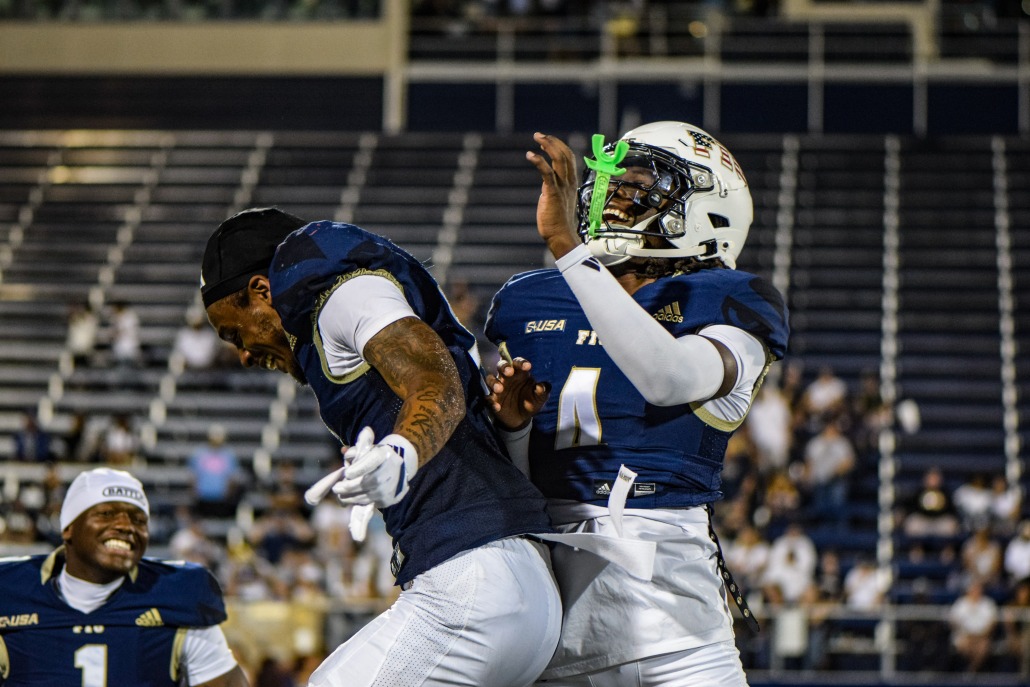
FIU cruises for No. 7
The FIU Panthers cruised to a 56-16 road win over C-USA bottom feeder Sam Houston for their seventh win of the season. In their 20 years in the FBS, the Panthers have won 7 or more games only five times.
FIU quarterback Keyone Jenkins returned from injury and threw for 291 yards, three touchdowns and an interception. He also rushed for 47 yards and a score.
FIU running back Kejon Owens carried the ball 15 times for 124 yards, furthering his school record season total to 1,174. Sterling Joseph rushed four times by gained 112 yards including a 61-yard touchdown run in the fourth quarter.
FIU receiver Alex Perry caught seven passes for 140 yards and two touchdowns, while Dallas Payne amassed 100 receiving yards and a touchdown on four receptions.
FIU (7-5, 5-3) finishes the regular season tied for fourth place in a C-USA that sports seven bowl bound teams. Entering the game, ESPN projected FIU to either be in the Cure Bowl or Boca Raton Bowl.
https://www.fivereasonssports.com/wp-content/uploads/DSC0993.jpeg37335600Tony Capobiancohttps://www.fivereasonssports.com/wp-content/uploads/FiveReasonsWebsiteLogo.svgTony Capobianco2025-11-29 18:51:342025-11-29 19:11:34Owls raided by Pirates in season finale; FIU cruises to 7th win


 The Panthers picked up where they left off and started the second half on a seven-minute 19-7 run, highlighted by a Stephenson dunk and three-pointers from Mackey and Harris, to extend their lead to 30 (60-30) with 13:50 remaining. Ashton Williamson scored all seven of his points during that run.
  Season Outlook
 FIU is a clear underdog against Miami but Stephenson gives the Panthers a chance in every game.
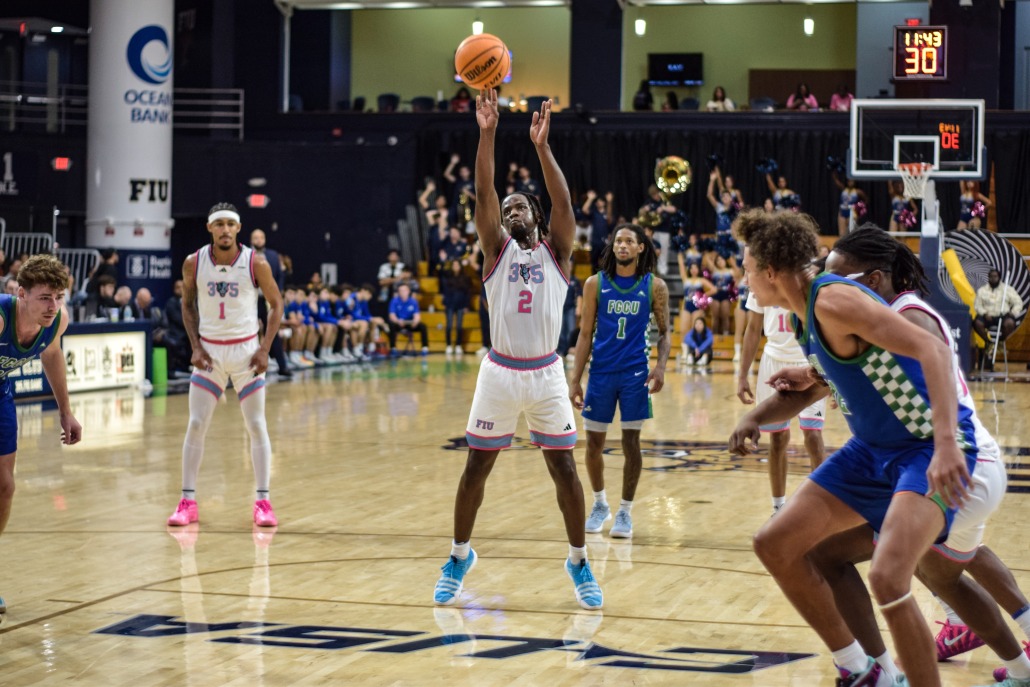 Corey Stephenson scored 18 points on 5-of-7 shooting and a team-high seven rebounds. The senior, who arrived via transfer from Cal-State Bakersfield, is averaging 18 points per game for the Panthers. Brit Harris scored 12 points and both Larry Olayinka and Eric Dibami each added 10 points for FIU.
 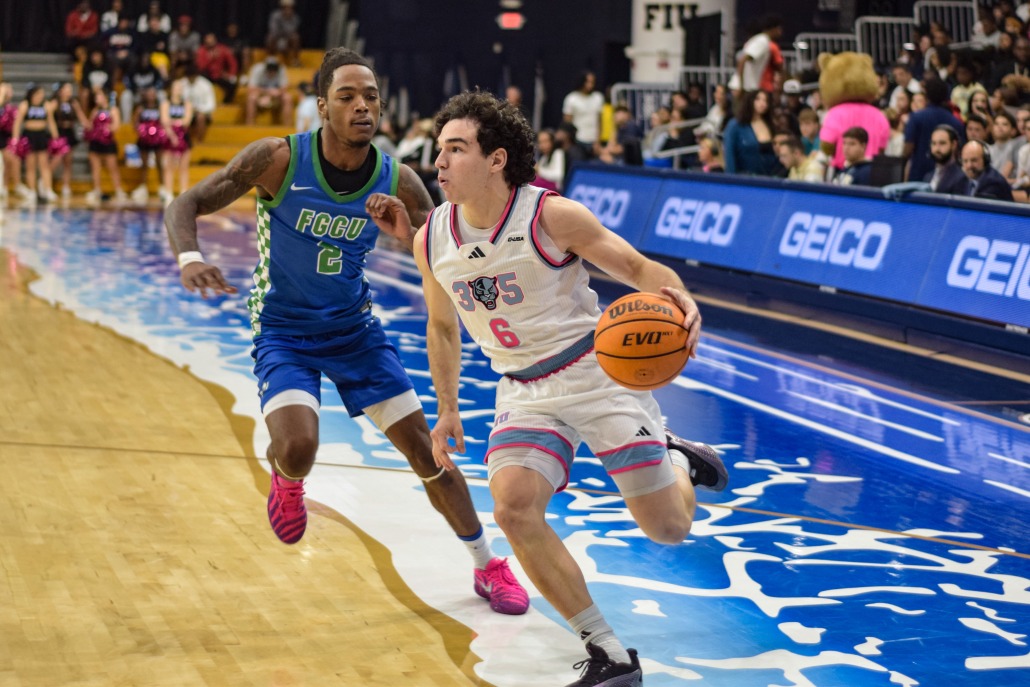 Trailing 4-0 in the game’s opening minutes, Stephenson scored nine of the Panthers’ first 15 points to take a four-point lead with 15:03 remaining in the first half. Olayinka dropped five points on a three-pointer and a layup to start a run that led to the Panthers growing their lead by 10, 27-17 with 11:44 left in the first half.
 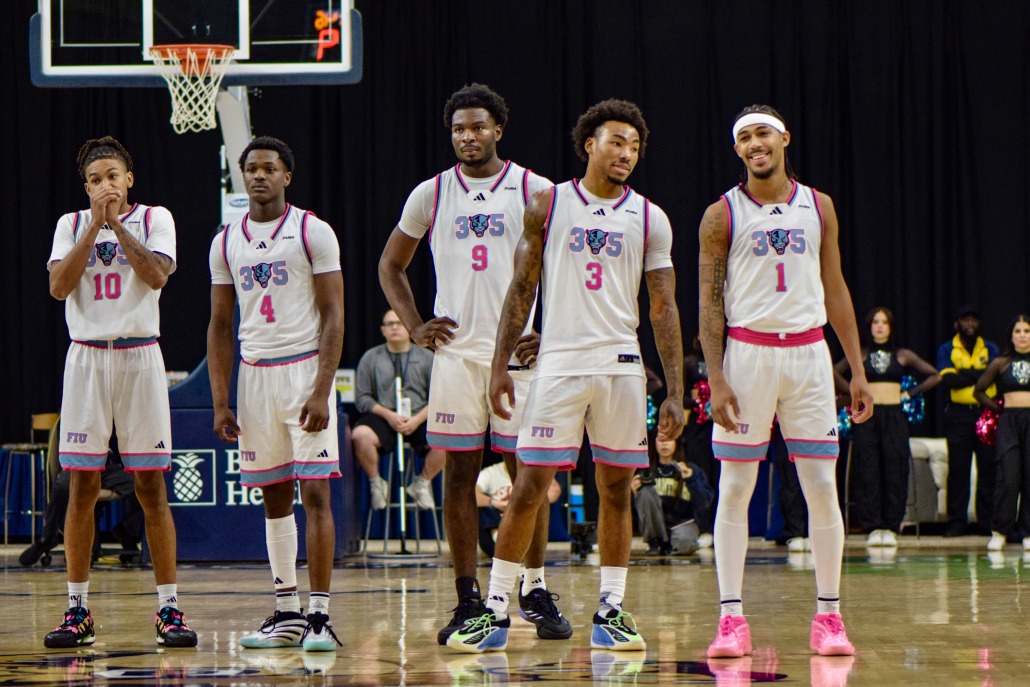 Both teams managed 45 points in the second half. The Panthers led by 10 points (86-76) after a free throw by Mackey with 55 seconds remaining. The Eagles were able to get as close as four points after a three-pointer by Michael Duax with 14 seconds left. A pair of free throws by Mackey iced the game for the Panthers.
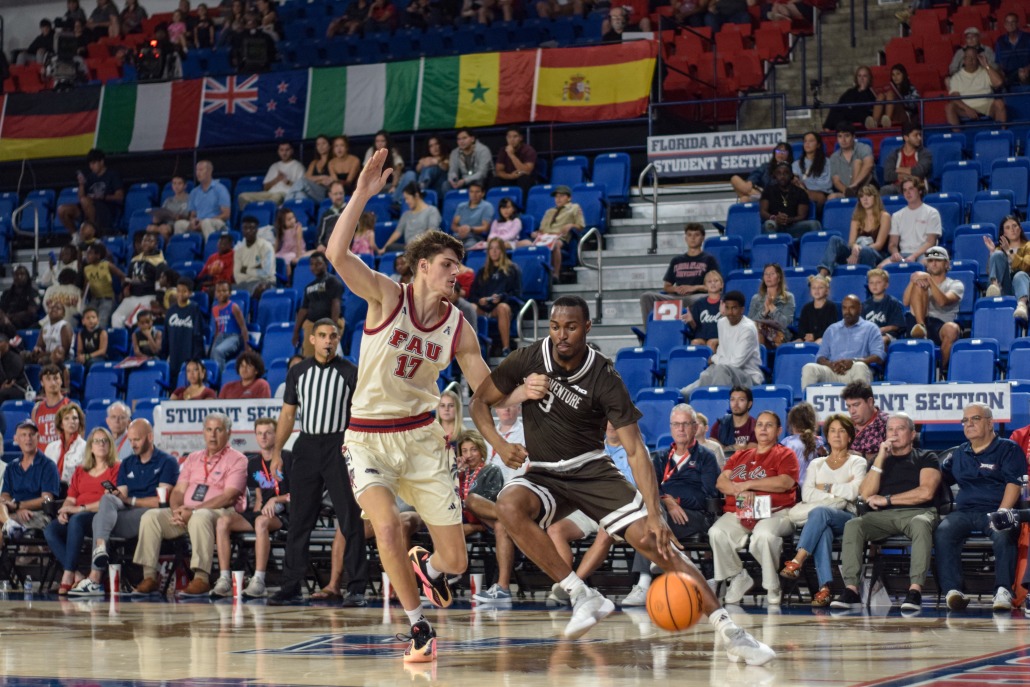 The Bonnies established an early 17-9 lead after a pair of Dasonte Bowen layups highlighted an 8-2 run halfway through the first half. Bowen finished with 10 points to round out the Bonnies’ double-digit scorers.
 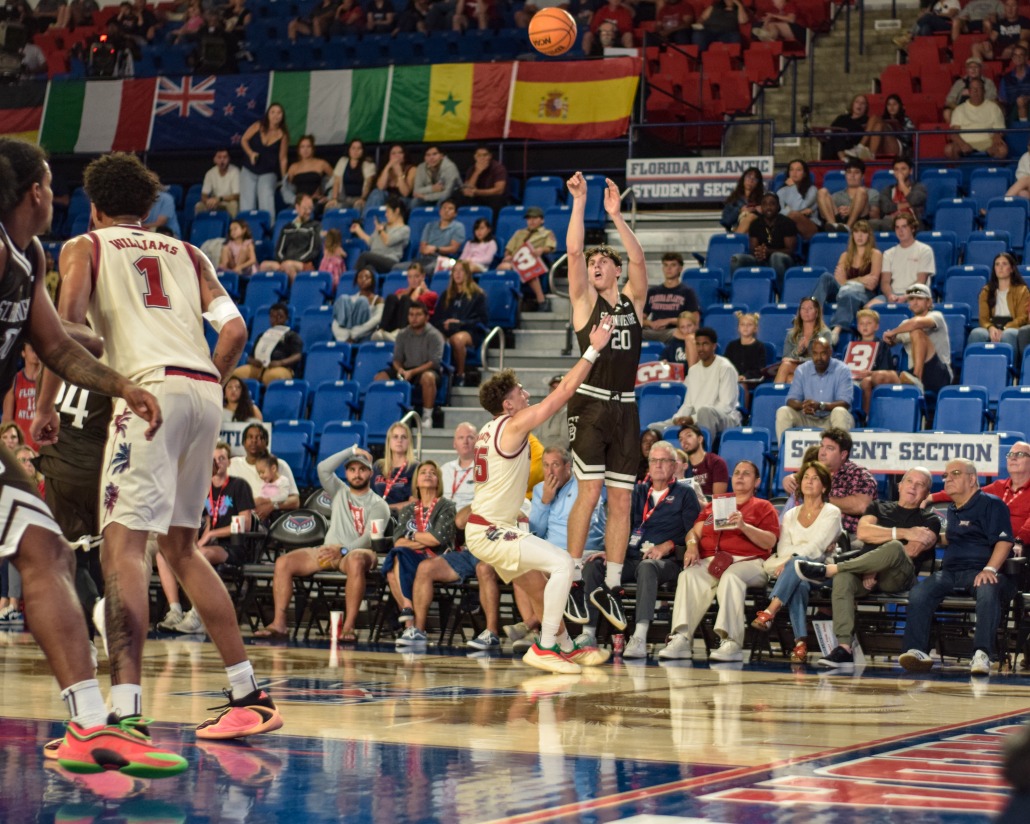 A dunk from Devin Williams kept the Owls within three points in the final minute, trailing 68-65. The Owls were unable to get a shot off until Charles made the final two free throws necessary to seal the win for the Bonnies. Vanterpool intentionally missed a free throw for Isaiah Elohim to rebound and give Carlyle some looks from the three-point line before the final buzzer.
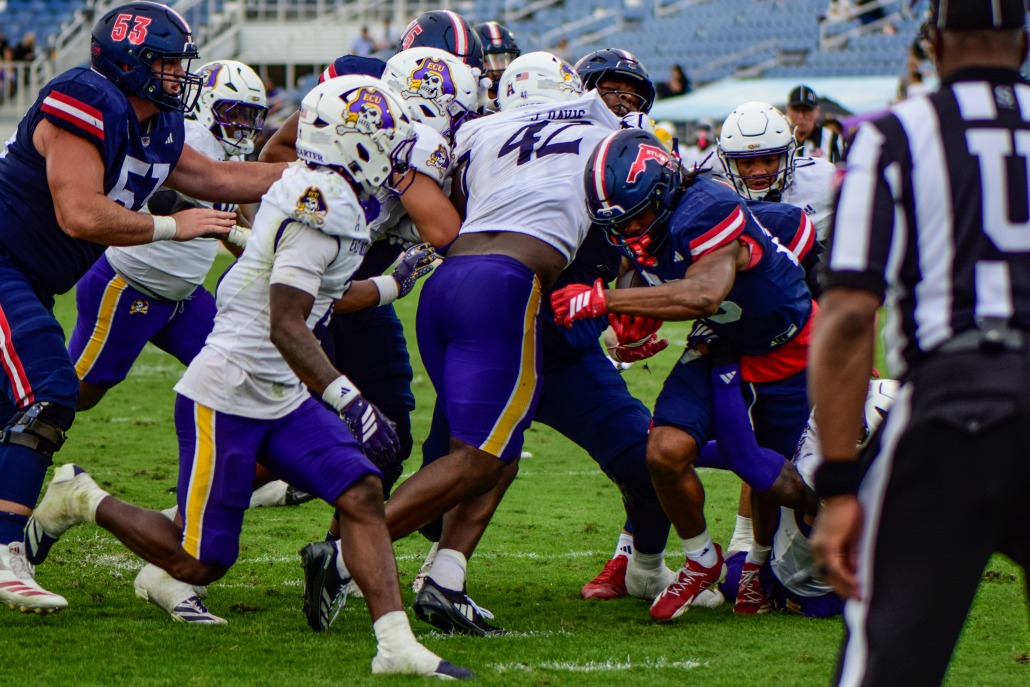 ECU quarterback Katin Houser threw both of his touchdown passes in the first quarter as well, one on a 27-yarder to D Riles and a 22-yard toss to Spalding. Houser scored his next two touchdowns on the ground in the second quarter, giving the Pirates a 42-3 lead at halftime. He finished the game with 258 passing yards, and 55 rushing yards.
 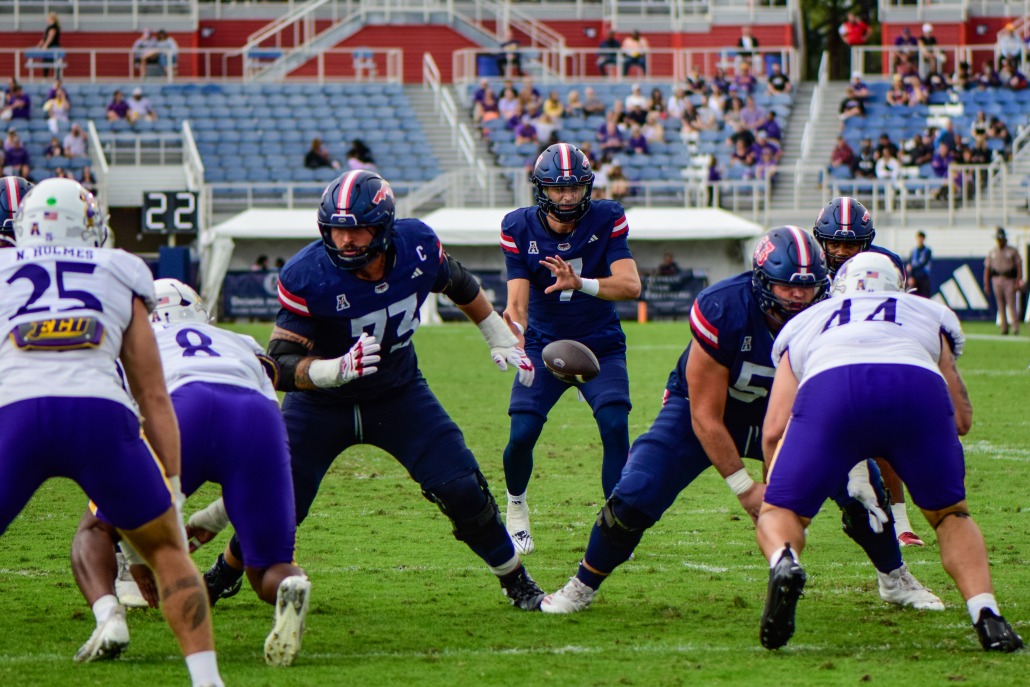 “We got a heck of a quarterback coming back to play for us next year,” Kittley said.
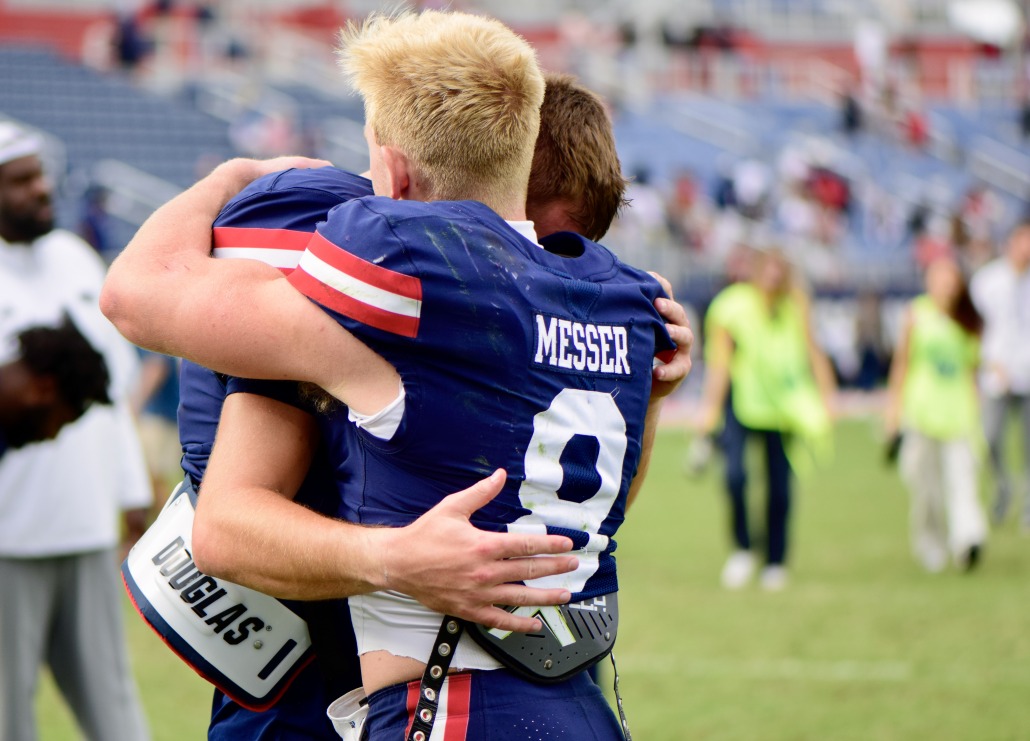 “I don’t think any of us quit there today,” Messer said. “Although the result isn’t what we wanted, I think we fought to the end.”